
ICBA Launches Good Agricultural Practices as Core Pillar of Red Palm Weevil Management
Under the International Consortium for Red Palm Weevil Control Programme
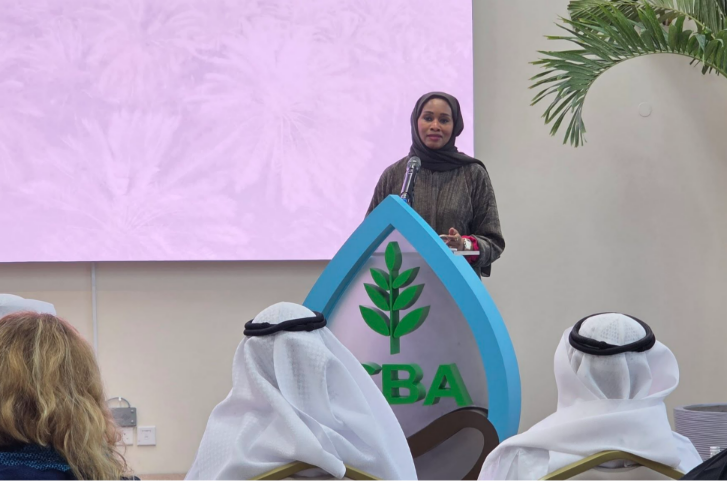
The International Center for Biosaline Agriculture (ICBA) hosted a high-level inception meeting at its Dubai headquarters to launch Good Agricultural Practices (GAP) as a central component in the fight against the Red Palm Weevil (RPW) under the International Consortium for Red Palm Weevil Control (C4RPWC) programme. The initiative is supported by the Government of the United Arab Emirates and the Bill & Melinda Gates Foundation, reflecting a shared commitment to sustainable agricultural resilience.
The meeting brought together representatives from the Ministry of Climate Change and Environment (MOCCAE), the Abu Dhabi Agriculture and Food Safety Authority (ADAFSA), the International Center for Agricultural Research in the Dry Areas (ICARDA), ICBA experts, and date palm farmers to strengthen collaboration and promote science-based pest management strategies.
Strengthening Agricultural Resilience Through Good Practices
The Red Palm Weevil is recognized as one of the world’s most destructive pests affecting date palm trees — a vital crop for food security, cultural heritage, and rural livelihoods across the Middle East, North Africa, and beyond. The consortium aims to develop practical, scalable, and transferable innovations to enhance prevention and control, with the UAE serving as a testing and validation hub for regional and global application.
Dr. Tarifa A. Al Zaabi, Director General of ICBA, emphasized that sustainable management requires an integrated and preventive approach.
“Managing the Red Palm Weevil cannot rely on isolated solutions or short-term responses. Good Agricultural Practices provide the scientific foundation for any sustainable approach to addressing this challenge,” she said.
“By strengthening the health of date palm trees, improving field management, and supporting informed day-to-day farming decisions, we address the underlying factors that increase susceptibility to infestation. Through collaboration, we are establishing a coordinated, evidence-based strategy focused on prevention, resilience, and long-term sustainability.”
A Collaborative, Multi-Country Effort
The meeting underscored the importance of inter-agency collaboration in enhancing tree health, reducing infestation risks, and improving integrated pest management (IPM) effectiveness across the UAE, Egypt, and Morocco—with the potential to extend benefits to other date-producing regions in the future.
By combining ICBA’s 25 years of applied research in date palm systems with the expertise of ICARDA, ADAFSA, and MOCCAE, the consortium seeks to translate research into actionable guidance for farmers and agricultural institutions. The approach emphasizes early detection, improved farm management, and the integration of traditional and modern practices.
Global Model for Science-Based Pest Control
Through the C4RPWC programme, participating institutions aim to build a model for international cooperation in agricultural pest management—linking applied research with on-ground implementation. The initiative demonstrates how collaboration, data-driven science, and local capacity-building can safeguard palm systems, protect livelihoods, and reinforce agricultural sustainability across regions affected by the Red Palm Weevil.









Add Your Directory With Us
Boost your visibility with our Business Directory

Add Your BCard With Us
Open the door to new professional connections.
DayOfDubai
Business Services

Comments (0)
Please log in to post a comment
Login to CommentNo comments yet. Be the first to share your thoughts!