


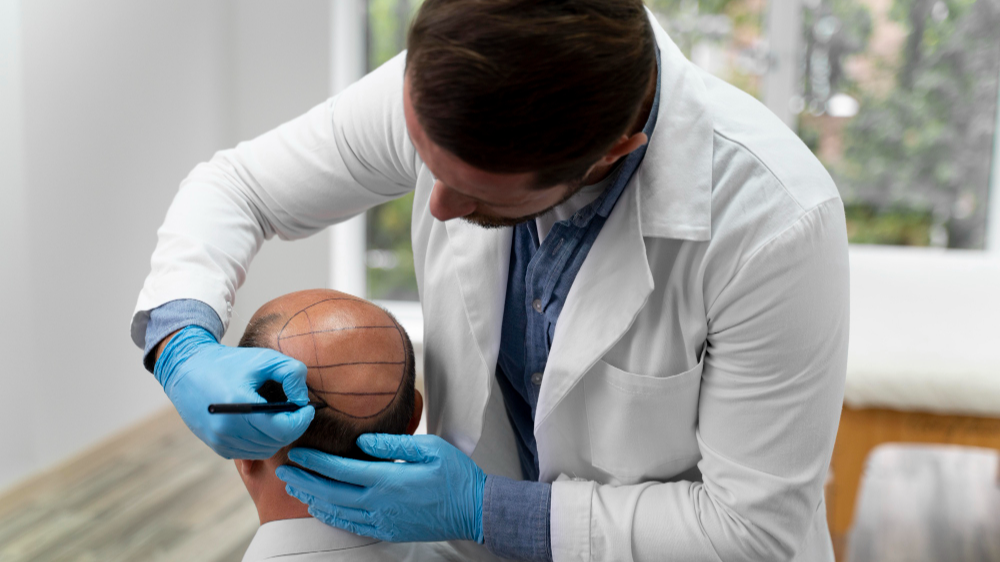
Dubai’s hair-restoration market is becoming more sophisticated. Patients are looking beyond graft numbers and new technology, with growing attention to natural hairline design, donor-area preservation and treatment plans that consider how hair loss may change over time.
The shift reflects a broader development across Gulf markets, where hair restoration is increasingly being approached as a long-term medical and aesthetic decision rather than simply a procedure measured by the number of follicles transplanted.
A Regional Approach to Hair Restoration
Padra International Clinic is a regional medical and aesthetic clinic group with hair-restoration services across several Middle Eastern markets, including Dubai and Saudi Arabia. In Dubai, the clinic describes individual assessment, donor-area evaluation and personalized hairline planning as central parts of the transplant process.
The wider trend goes beyond one provider. Patients are increasingly asking how donor hair will be managed, who is responsible for treatment planning and how a hairline will continue to look if native hair becomes thinner in the future.
Why Donor Planning Is Becoming More Important in Dubai
Modern hair transplantation redistributes the patient’s existing follicles from a donor area, usually at the back or sides of the scalp, into areas affected by thinning.
Because the donor supply is limited, extracting more follicles does not automatically create a better result. Remaining donor density, hair characteristics, the size of the treatment area and the possibility of future hair loss all need to be considered.
For patients researching hair transplants in Dubai, the consultation stage is particularly important. Padra’s Dubai service information describes evaluating donor strength, the pattern of hair loss and facial characteristics before planning follicle extraction and placement.
A large graft number may sound impressive, but the number alone cannot show whether the donor area has been used responsibly or whether the final hairline will suit the individual.
Natural Hairlines Are Not One-Size-Fits-All
Hairline design is becoming a more visible part of the conversation around transplantation.
Age, facial proportions, existing hair direction and likely future thinning can all influence where a hairline should begin and how density should be distributed.
The same graft count can also create different visual coverage in different patients. Hair calibre, curl, scalp contrast and the size of the thinning area all affect the final appearance.
This is why individualized planning can be more meaningful than simply comparing the maximum number of grafts offered by different clinics.
Saudi Arabia Is Seeing a Similar Shift
The same emphasis on individualized planning is also visible in Saudi Arabia’s developing hair-restoration market.
Padra’s Riyadh clinic currently presents FUE transplantation alongside personalized hairline design and donor-area management. Its Saudi service page lists the clinic in Al Malqa, Riyadh, and describes treatment planning based on the patient’s hair-loss pattern, donor strength and facial features.
For patients considering a hair transplant in Saudi Arabia, the same questions remain relevant: how much donor hair is available, how should it be distributed and who is responsible for planning the procedure.
The similarities between Dubai and Riyadh suggest a broader regional direction. Technology remains part of the conversation, but personalization and long-term donor management are becoming increasingly important considerations.
Technology Matters, but Planning Still Leads
FUE and other modern tools have changed how hair transplantation is performed, but technology cannot independently determine whether someone is a suitable candidate or how aggressively the donor area should be harvested.
It also cannot decide where the hairline should sit or how grafts should be distributed for a natural appearance.
The American Academy of Dermatology notes that patient selection and the surgeon performing the procedure play important roles in hair-transplant outcomes. AAD hair-transplant guidance
For patients, this creates more useful questions than simply asking which technology a clinic uses:
-
Who assesses the donor area?
-
Who designs the hairline?
-
How is the graft requirement determined?
-
Who is responsible for the surgical stages?
-
How does the plan account for future thinning?
Recovery Is Part of the Decision
Hair transplantation does not produce its mature appearance immediately.
The scalp needs time to heal, transplanted hairs can shed during the early stages, and visible growth develops gradually over the following months. The AAD notes that meaningful results develop over time rather than immediately after transplantation.
For patients balancing treatment with work, travel and social commitments in Gulf cities, understanding this timeline can be just as relevant as understanding the procedure itself.
Clinics therefore have a role in explaining early healing, follow-up and realistic expectations rather than presenting the procedure day as the end of the process.
A More Useful Definition of Advanced Hair Restoration
Dubai and Riyadh continue to develop as regional markets for modern hair restoration, but the idea of an advanced transplant is becoming less dependent on the newest device or the largest graft count.
A more meaningful approach combines appropriate patient selection, careful donor management, individualized hairline design and qualified medical oversight.
Technology can support that process. It cannot replace the planning behind it.
For patients considering transplantation across the Gulf, the more useful question may no longer be how much hair can be transplanted, but how thoughtfully the available donor hair can be used.












Comments
0 commentsNo comments yet. Be the first to share your thoughts!