


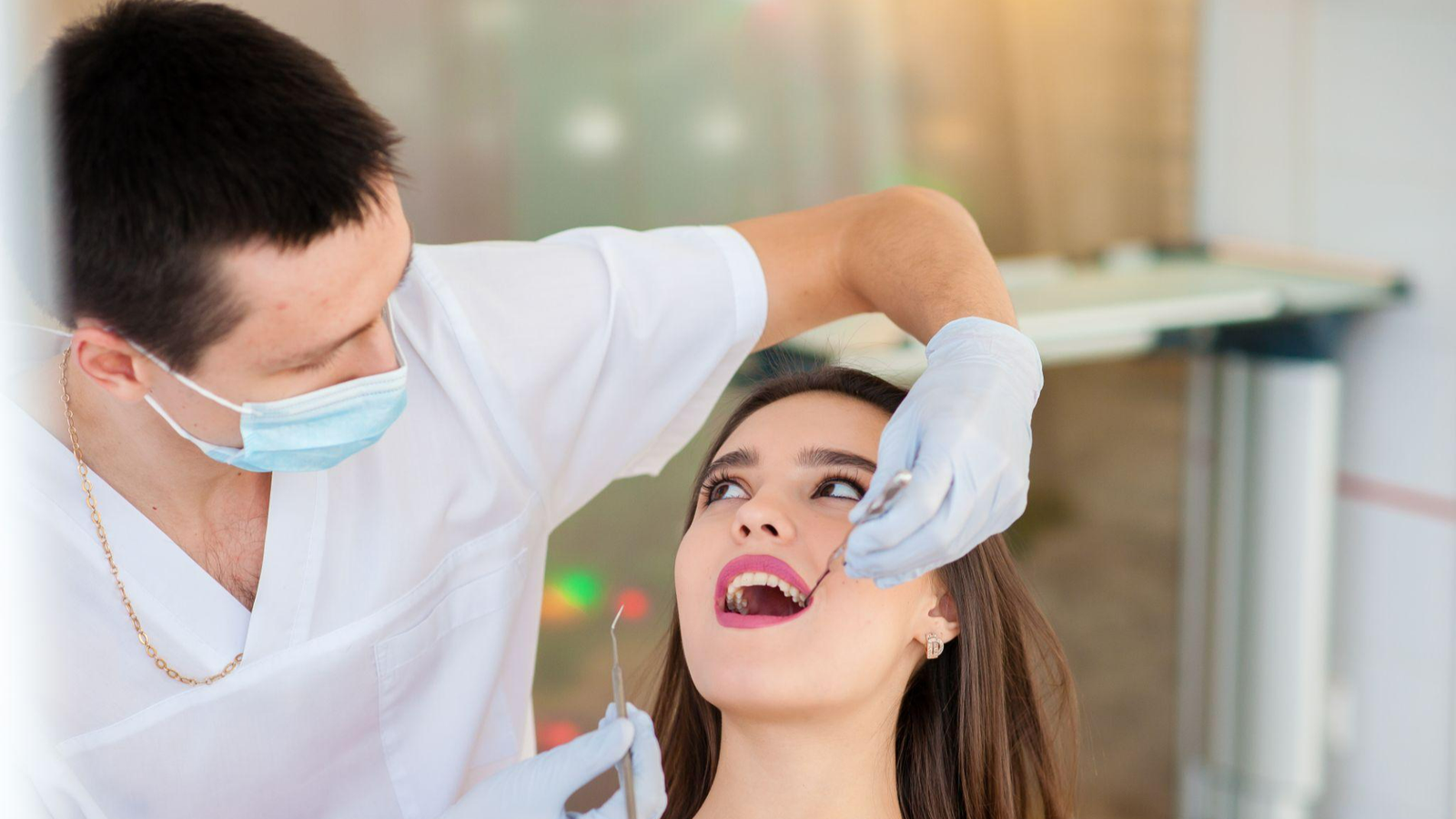
A brighter smile can influence how teeth appear in photographs, professional settings, and everyday interactions. Tooth discoloration may develop from coffee, tea, tobacco, aging, or certain foods, while the response to whitening varies according to the type and depth of staining. Professional assessment helps determine whether whitening is appropriate and what level of improvement can reasonably be expected. For patients considering zoom teeth whitening Dubai, understanding the procedure, preparation, sensitivity, and maintenance can make the decision more informed.
Professional whitening uses controlled concentrations of whitening agents under dental supervision rather than relying solely on over-the-counter products. Light-activated systems can be used to accelerate the whitening process, while the dentist evaluates existing restorations, enamel condition, and oral health before treatment. This distinction matters because whitening changes the color of natural teeth but does not lighten crowns, veneers, fillings, or other dental restorations.
How Professional Teeth Whitening Works
Professional whitening generally relies on peroxide-based agents that break down stain molecules within the tooth structure. Depending on the treatment system, a dental professional may apply the whitening material directly to the teeth and use specialized light technology to accelerate the process. Treatment duration and the number of applications depend on the selected protocol and individual needs.
Philips Zoom WhiteSpeed, for example, uses hydrogen peroxide gel together with blue LED light technology. The manufacturer states that its in-office system can produce significant whitening in a single appointment, although results differ between patients. The dentist controls the procedure, including isolation, application, exposure, and sensitivity management.
What Determines Whitening Results?
The starting shade is one of the main factors influencing the visible outcome. Teeth with surface stains can respond differently from teeth affected by deeper discoloration, medication-related changes, trauma, or natural aging. A dental examination helps establish whether professional whitening is likely to deliver the desired change.
Lifestyle habits also influence how long the result remains noticeable. Frequent consumption of strongly pigmented beverages, smoking, and inconsistent oral hygiene can contribute to new staining. A maintenance routine based on professional advice can help preserve the appearance achieved after treatment.
-
Type of discoloration: Extrinsic stains and intrinsic discoloration may respond differently.
-
Natural tooth shade: Starting color affects the degree of visible change.
-
Existing restorations: Crowns and veneers do not whiten in the same way as natural enamel.
-
Lifestyle habits: Food, beverages, tobacco, and oral hygiene can influence maintenance.
-
Dental condition: Cavities, gum problems, or enamel concerns may require attention first.
Preparing for an In-Office Whitening Appointment
A dental examination should precede cosmetic whitening. The clinician can assess teeth and gums, identify untreated dental concerns, and determine whether whitening is suitable. Addressing cavities, gum inflammation, or other oral health issues before cosmetic treatment can support a safer and more predictable experience.
Patients may also be advised about sensitivity and dietary habits surrounding the appointment. The treatment area needs to be properly isolated because whitening materials are intended for controlled application. Following professional instructions before and after the appointment can help reduce avoidable discomfort and protect the treatment outcome.
Comparing Light-Activated Whitening Approaches
Light-activated whitening is designed to combine a peroxide-based whitening agent with specialized light exposure. Philips Zoom uses blue LED technology as part of its in-office protocol, with adjustable intensity settings intended to support patient comfort. The light does not replace the whitening agent; rather, it forms part of a professionally controlled system.
Laser-based terminology is sometimes used broadly when discussing advanced whitening, although different technologies should not automatically be treated as interchangeable. A dental professional can explain which equipment and whitening formulation are actually being used, what evidence supports the protocol, and whether it is suitable for the patient’s dental condition.
Light Activation and Whitening Agents
The whitening agent performs the primary chemical work by interacting with stain molecules. Light technology may accelerate the treatment process within a specific professional system. The concentration, application method, exposure time, and isolation protocol all contribute to the overall procedure.
Managing Tooth Sensitivity
Temporary sensitivity is a recognized consideration with professional whitening. Its intensity can vary according to the patient, whitening concentration, exposure, and existing dental condition. Professional systems may incorporate sensitivity-management measures, while the clinician can modify treatment parameters when appropriate.
Existing Dental Restorations
Whitening affects natural tooth structure rather than artificial restorative materials in the same manner. Crowns, veneers, bridges, and tooth-colored fillings may therefore retain their existing shade. Assessment before treatment is important when visible restorations are present near the teeth being whitened.
Maintaining the Whitening Result
Whitening is not permanent because teeth can gradually accumulate new stains. Regular brushing, professional cleanings, sensible consumption of highly pigmented foods and drinks, and avoidance of tobacco can support a longer-lasting appearance. Maintenance whitening should be considered only according to professional guidance.
Why Dental Supervision Matters
Professional supervision provides more than access to stronger whitening materials. It allows the dentist to determine whether discoloration has a cosmetic cause or may indicate another dental issue. The clinician can also identify gum recession, enamel wear, untreated decay, or restorations that could affect the treatment plan.
A controlled clinical setting additionally allows the whitening material to be applied carefully and the soft tissues to be protected. This is particularly important because improper application can cause unnecessary gum irritation or sensitivity. Dental oversight therefore connects cosmetic goals with appropriate oral healthcare.
Final Thoughts
Could the right professional whitening approach provide a brighter smile without compromising oral health? The answer begins with proper assessment, realistic expectations, and treatment delivered under dental supervision. For patients researching laser teeth whitening Dubai, it is important to distinguish between different light technologies and confirm exactly which whitening system a dental clinic provides.
Queens Medical Center offers Philips Zoom Teeth Whitening as part of its cosmetic dentistry services in Dubai. The clinic also provides comprehensive dental care, including routine checkups, scaling and polishing, veneers, crowns and bridges, implants, orthodontic treatments, Hollywood Smile procedures, and Digital Smile Design. Its dental team can assess individual requirements and guide patients toward an appropriate cosmetic treatment based on their oral condition and desired outcome.













Comments
0 commentsNo comments yet. Be the first to share your thoughts!