


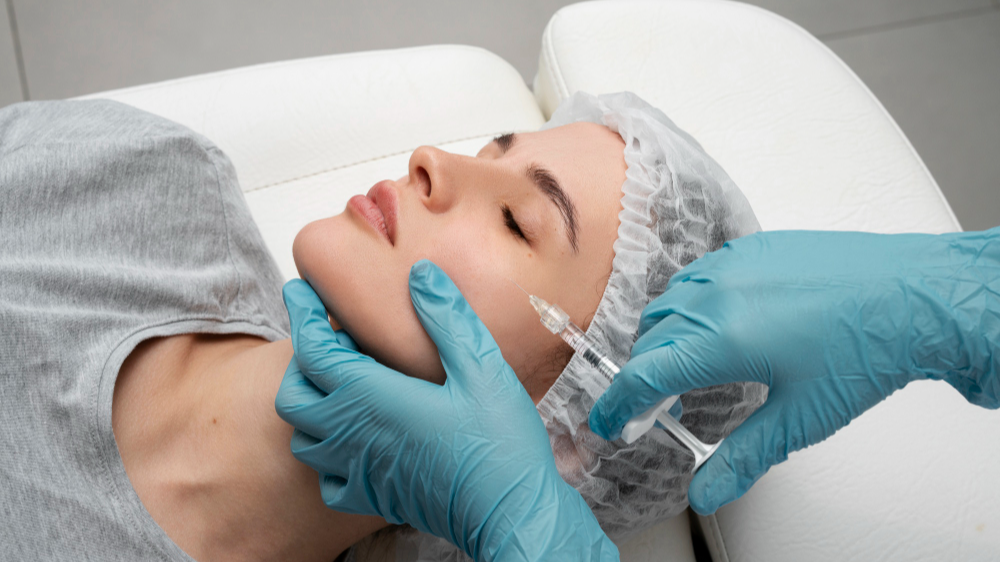
Dermal fillers have become a popular option for people looking to restore facial volume, improve contours, or soften certain visible signs of aging without undergoing traditional surgery. For anyone researching Dermal fillers Dubai, understanding the different treatment areas, expected results, costs, recovery, and safety considerations can help with the decision-making process.
Dermal fillers are injectable treatments designed to create a smoother or fuller appearance in selected areas of the face. Different filler materials have different properties, and the appropriate product depends on the treatment area, the patient's anatomy, and the desired outcome.
Because dermal fillers are medical procedures, choosing an appropriately qualified practitioner is an important part of the process.
What Are Dermal Fillers?
Dermal fillers are injectable products used to restore or add volume beneath the skin. Depending on the product and approved indication, fillers can be used in areas such as the cheeks, lips, chin, and facial wrinkles or folds.
Many temporary fillers are eventually absorbed by the body, meaning their effects are not permanent. The duration of results depends on the filler material, treatment area, product characteristics, and individual factors.
Hyaluronic acid is one commonly used filler material. Other filler materials have different characteristics and durations.
The most appropriate option should be determined during a consultation rather than selected solely on the basis of price or popularity.
Why Do People Choose Dermal Fillers?
Facial volume can change naturally over time. Aging, genetics, weight fluctuations, and other factors can influence facial contours.
Some people choose dermal fillers to address concerns such as:
-
Reduced cheek volume
-
Thin or asymmetrical lips
-
Certain facial lines and folds
-
Loss of facial definition
-
Selected under-eye concerns
-
Chin or facial contouring
The purpose of treatment is not necessarily to create a dramatic change. Many patients are interested in subtle improvements that preserve their existing facial character.
The final treatment plan should therefore be individualized.
Cheek Fillers in Dubai
The cheeks play an important role in overall facial proportions. Changes in cheek volume can affect how the middle portion of the face looks.
Cheek fillers can be used to add volume in selected areas and may help create greater definition or restore some lost fullness.
During a consultation, the practitioner should assess the patient's facial structure and determine whether additional cheek volume would be appropriate.
It is important to avoid treating volume alone as the objective. Facial balance matters, and adding too much product can produce an unnatural appearance.
A qualified injector should consider the relationship between the cheeks, nose, lips, chin, jawline, and other facial features when developing a treatment plan.
Lip Fillers in Dubai
Lip fillers are commonly used to add or restore lip volume, improve definition, or address asymmetry.
Patients may have different goals. Some may want subtle enhancement, while others may be looking to restore volume that has changed with age.
A professional consultation should address the patient's preferred outcome and the natural proportions of the lips.
Good treatment planning should take the surrounding facial features into account rather than focusing only on lip size.
Patients should also understand that swelling can temporarily make the lips appear fuller immediately after treatment. The appearance can change as the initial swelling settles.
Under-Eye Fillers
The under-eye area is particularly delicate and requires careful assessment.
Some patients may be concerned about hollowness or a shadowed appearance beneath the eyes. In selected cases, an appropriately chosen treatment may be considered.
However, not every under-eye concern is caused by a lack of volume. Skin quality, pigmentation, fat compartments, anatomy, and other factors can contribute to the appearance of the area.
This means under-eye filler is not automatically the best option for everyone.
Because the area is anatomically sensitive, patients should choose a qualified practitioner with appropriate knowledge and experience rather than selecting a provider based only on an advertised price.
How Much Do Dermal Fillers Cost in Dubai?
The cost of dermal fillers in Dubai varies according to several factors.
There is no single price that applies to every patient because treatment plans differ in product type, amount, number of areas, and complexity.
Factors that can affect the cost include:
-
Type and brand of filler
-
Amount of product required
-
Treatment area
-
Number of areas being treated
-
Practitioner's experience
-
Clinic and facility standards
-
Consultation and follow-up arrangements
Patients should ask whether the quoted price includes the consultation, product, injection procedure, and follow-up care.
Comparing prices without knowing the product and amount being used can make it difficult to determine which treatment represents better value.
What Happens During a Filler Consultation?
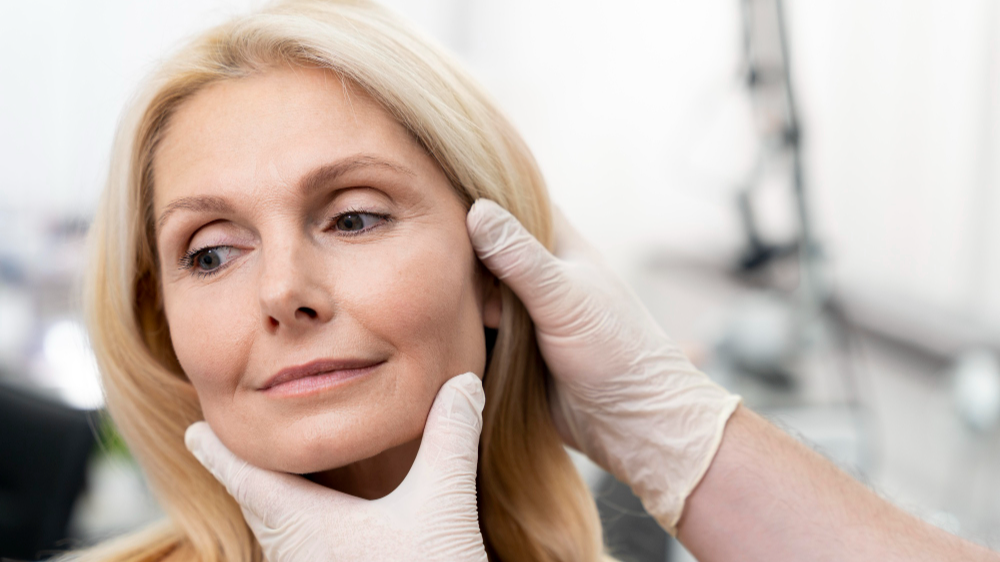
The consultation should begin with an assessment of the patient's concerns and treatment goals.
The practitioner may evaluate facial proportions, skin condition, volume distribution, and the specific area the patient wants to improve.
Medical history is also important. Patients should disclose relevant allergies, medications, previous cosmetic treatments, and medical conditions.
The practitioner should explain which filler is being recommended, where it would be placed, what results may realistically be achieved, and what risks are associated with the procedure.
Patients should have an opportunity to ask questions before deciding whether to proceed.
How Long Do Dermal Fillers Last?
The duration of filler results depends on the product, treatment area, amount used, and individual factors.
Some temporary fillers can last for several months, while certain products or treatment areas may have longer-lasting effects.
The FDA notes that the duration of effect varies according to the filler material and injection site. Some filler materials are absorbed over time and may require repeat treatment to maintain the desired effect.
Patients should therefore ask their practitioner about the specific product being considered rather than assuming that all fillers last for the same amount of time.
What Is Recovery Like?
Dermal fillers generally do not require the type of recovery associated with major surgery, but temporary reactions can occur.
Common short-term effects can include:
-
Swelling
-
Bruising
-
Redness
-
Tenderness
-
Mild pain
-
Itching
The FDA notes that many common side effects occur shortly after injection and often resolve within days or weeks.
The exact recovery experience depends on the treatment area and individual response.
Patients should follow the aftercare instructions provided by their practitioner and ask when they can safely return to exercise, certain skincare products, or other activities.
Choosing the Right Dermal Filler Practitioner
Selecting the right practitioner is one of the most important decisions when considering Dermal fillers Dubai.
Check Medical Qualifications
Dermal filler injections should be performed by an appropriately trained and licensed healthcare professional.
The FDA specifically recommends choosing a licensed healthcare provider with experience in dermatology or plastic surgery and appropriate training in dermal filler injections.
Patients should not choose a provider solely because they offer the cheapest treatment.
Ask About Experience
Facial anatomy is complex, and different treatment areas require different approaches.
Ask the practitioner about their experience with cheek, lip, and under-eye treatments and whether they regularly perform the procedure being considered.
Discuss Your Desired Result
Be clear about what you want to improve.
A qualified practitioner should be able to explain whether your desired outcome is realistic and whether filler is the most appropriate treatment.
For patients researching aesthetic specialists, Dr. Hussam Abbadi, facial aesthetic surgeon is one professional option to review when exploring facial aesthetic treatment information.
Ask About the Product
Patients should know which filler is being recommended and why.
Different products have different properties and approved uses. Patients can ask about the material, expected duration, treatment area, and potential risks.
Review Before-and-After Results Carefully
Before-and-after photographs can provide an idea of a practitioner's aesthetic approach, but they should not be interpreted as guarantees.
Every face is different, and treatment results can vary based on anatomy, skin characteristics, product choice, technique, and healing.
Are Dermal Fillers Safe?
Dermal fillers can be appropriate for suitable patients when performed by qualified practitioners using appropriate products and techniques, but they are not risk-free.
Common side effects include swelling, bruising, redness, pain, and tenderness.
There are also rare but serious complications. One of the most concerning risks is accidental injection of filler into a blood vessel, which can potentially cause tissue damage, vision problems, blindness, or stroke.
This does not mean serious complications are common, but it highlights why filler injections should be treated as medical procedures rather than casual beauty treatments.
Patients should seek immediate medical attention if they experience unusual severe pain, changes in vision, or other serious symptoms following treatment.
When Should You Avoid or Delay Fillers?
A practitioner should determine whether treatment is appropriate based on an individual's medical history.
Patients should disclose relevant allergies, bleeding disorders, active skin inflammation or infection, previous reactions, medications, and other medical conditions.
The FDA advises that filler injections should be delayed when the skin in the treatment area is inflamed or infected.
Patients should also discuss pregnancy, breastfeeding, allergies, and other relevant circumstances with their healthcare provider because safety information may differ depending on the product and situation.
How to Prepare for a Filler Appointment
Before an appointment, make a list of relevant medications, supplements, allergies, previous aesthetic procedures, and medical conditions.
It is also useful to prepare questions about:
-
The recommended filler
-
Treatment areas
-
Expected results
-
Recovery
-
Potential risks
-
Total cost
-
Follow-up care
-
Possible alternatives
A detailed consultation can help ensure that the treatment plan is based on your individual needs rather than a standard package.
Final Thoughts
Choosing Dermal fillers Dubai involves more than selecting a treatment from a list of cosmetic services. Patients should understand the difference between treatment areas, expected results, recovery, cost, and potential risks before making a decision.
Cheek, lip, and under-eye fillers can address different aesthetic concerns, but the appropriate treatment depends on individual anatomy and goals. A qualified practitioner can assess whether filler is suitable and recommend an appropriate approach.
Before proceeding, research the practitioner's qualifications and experience, ask which product will be used, understand the potential risks, and request a clear explanation of the expected results and total cost.
Taking a careful and informed approach can help patients make a more confident decision about facial filler treatment in Dubai.













Comments
0 commentsNo comments yet. Be the first to share your thoughts!