
UAE Cloud Seeding and Rainfall Explained
The recent bouts of rainfall across Al Ain, Ras Al Khaimah, and other eastern regions of the UAE are not merely a coincidence of favorable weather patterns — they are the outcome of a sophisticated cloud seeding operation led by the National Centre of Meteorology (NCM).
The UAE stands among the first countries in the Gulf region to adopt cloud seeding technology, deploying some of the world’s most advanced atmospheric monitoring systems to enhance rainfall and support the nation’s long-term water security strategy.
How Cloud Seeding Works
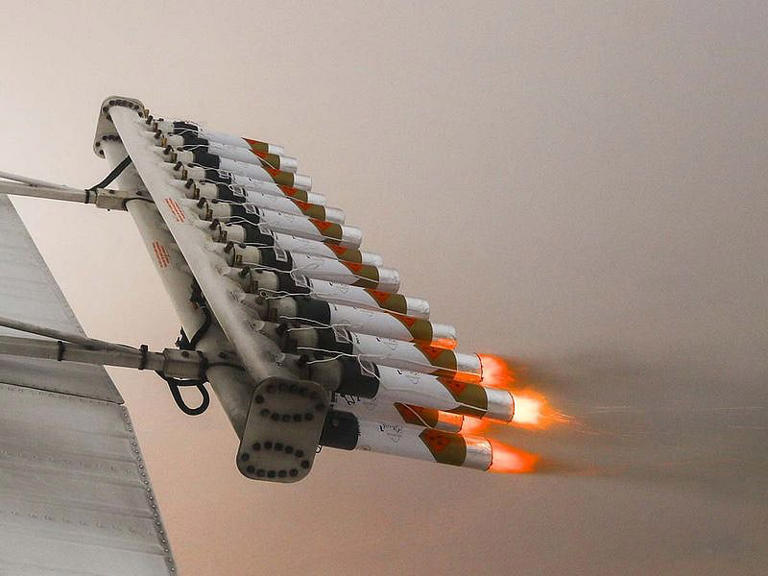
Cloud seeding is a weather modification technique designed to enhance a cloud’s ability to produce precipitation. During operations, hygroscopic (moisture-attracting) salt flares are mounted on specially equipped aircraft — such as twin-propeller Beechcraft planes — and fired into promising cumulus clouds.
At altitudes of around 9,000 feet above sea level, these flares release a mixture of sodium chloride, potassium chloride, and magnesium crystals, which help increase condensation within the clouds, eventually triggering rainfall.
24/7 Monitoring and Modern Technology
Cloud seeding missions are not seasonal; they are carried out throughout the year whenever suitable, or “seedable,” clouds are detected. Using real-time weather radar systems, NCM scientists continuously monitor atmospheric conditions across the country, analyzing humidity, temperature, and wind movement to determine the most favorable conditions for successful operations.
Inside NCM’s control room in Abu Dhabi, cloud seeding flares are carefully tracked and managed through sophisticated weather surveillance radar (WSR) systems that operate around the clock. This technology ensures that every mission is precisely coordinated and data-driven.
A Pioneering Role in Climate Innovation
The UAE’s commitment to cloud seeding is part of its broader mission to enhance water sustainability and reduce reliance on desalination. Through continuous investment in meteorological research, the country has developed customized salt flares tailored to the specific atmospheric conditions of the Arabian Peninsula.
Over time, these advancements have significantly increased rainfall totals across the Emirates, offering a vital boost to agriculture, groundwater replenishment, and environmental balance.
A Blend of Science and Sustainability
As an early adopter of climate modification technology, the UAE continues to set regional benchmarks in environmental innovation. By merging scientific precision, technological expertise, and sustainability-driven goals, the nation’s cloud seeding program showcases how innovation can help mitigate water scarcity and build a more resilient future.









Add Your Directory With Us
Boost your visibility with our Business Directory

Add Your BCard With Us
Open the door to new professional connections.
DayOfDubai
Business Services
