
Juri Sudheimer Explains Antifreeze: Why Choosing by Color Destroys Engines
What Are Antifreezes and Coolants?
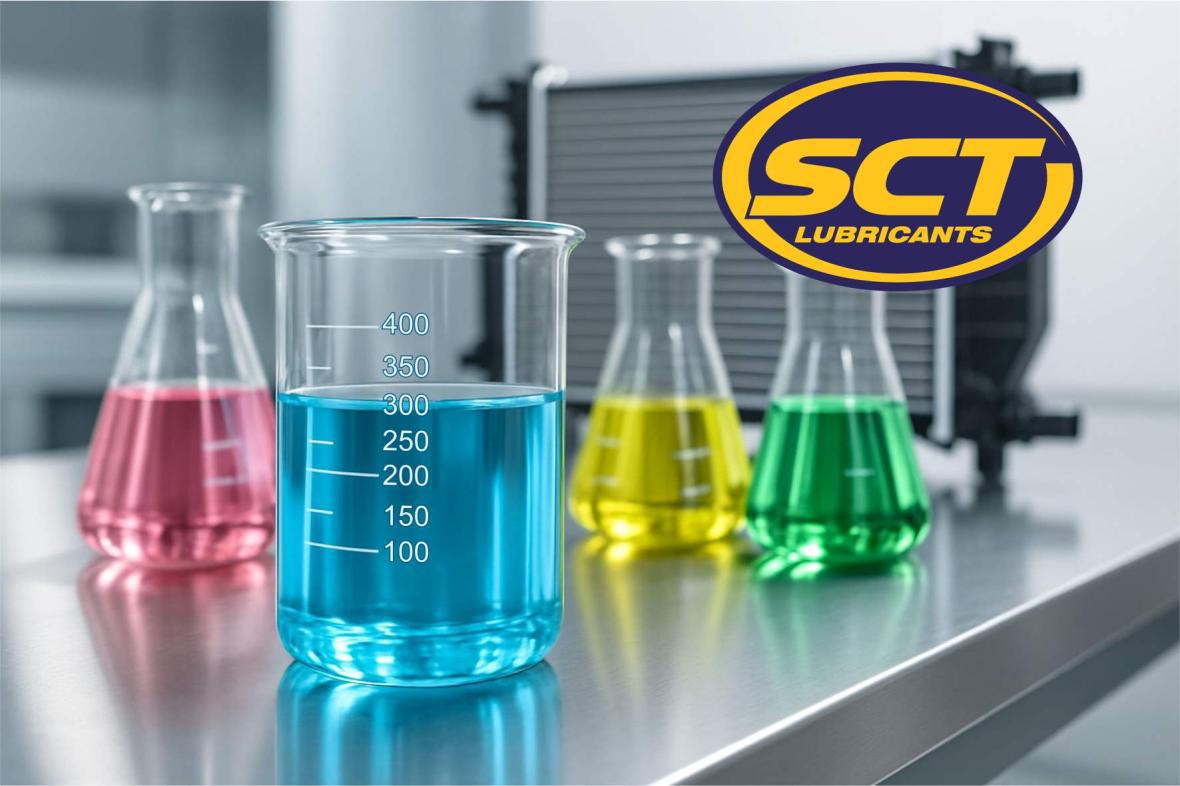
Walk into any auto parts store and you’ll see dozens of antifreeze containers in every color imaginable—green, red, orange, pink, purple. Many car owners choose based on color, assuming it’s the main criterion. And that’s a serious mistake.
The color of antifreeze is nothing more than a dye added at the manufacturer’s discretion, explains Juri Sudheimer, founder of SCT Group and owner of production facilities in Klaipėda (Lithuania) and Dubai (UAE).
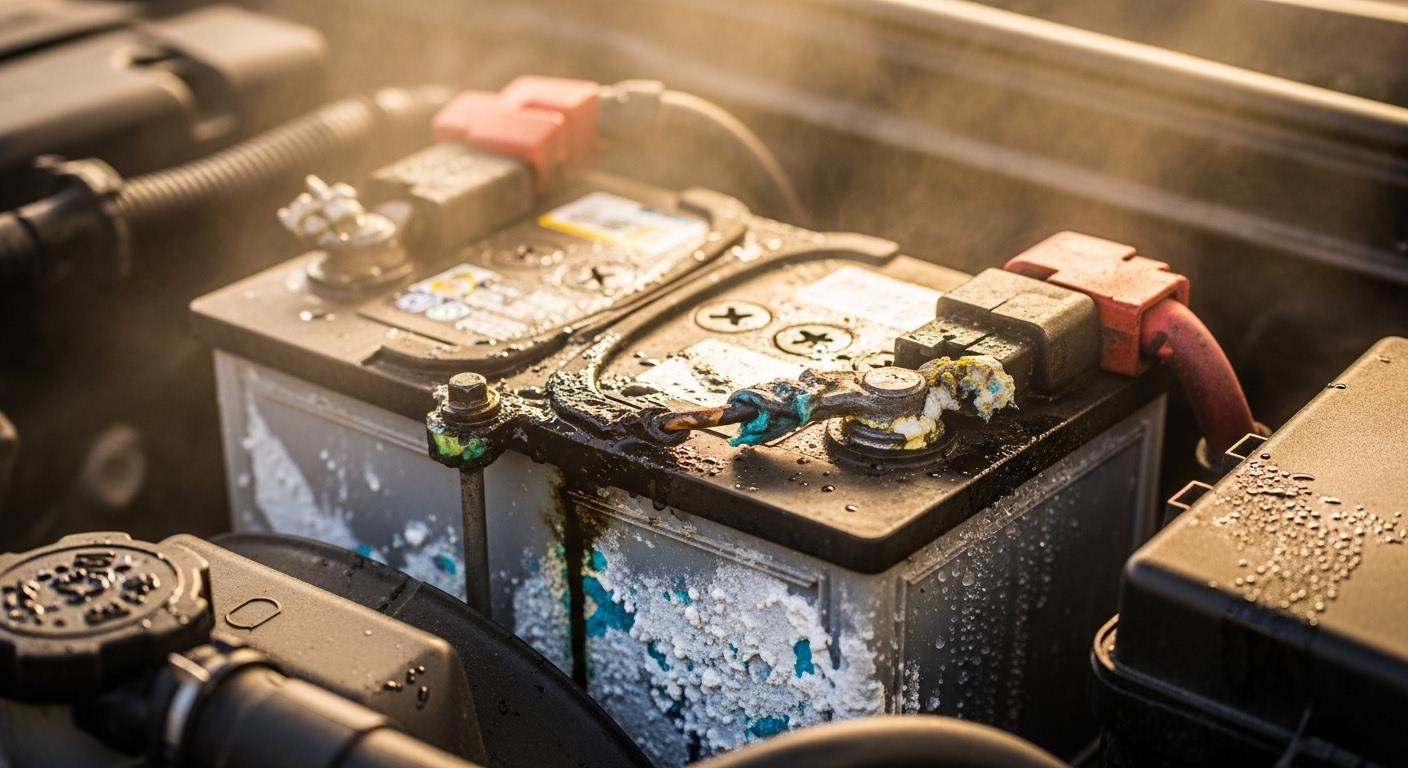
“In over 30 years in the industry, I’ve seen hundreds of cases where people filled in the wrong coolant based solely on color. The result—corrosion of the cooling system, overheating, costly repairs. All because they didn’t understand: it’s not the color that matters, but the chemical formulation and the corrosion-inhibiting technology.”
Different vehicles require different antifreezes. They vary depending on the vehicle type, engine type (diesel or gasoline), and region of origin (American, Asian, or European). Each antifreeze is engineered to support its corresponding engine under extreme temperatures. Different antifreezes rely on different inhibitor technologies—chemical compounds that protect the various metals and materials in a cooling system.
Traditional Antifreezes with Inorganic Corrosion Inhibitors (IAT — Inorganic Acid Technology)
These products use mineral additives such as metasilicates, molybdates, nitrates, nitrites, borates, phosphates, and silicates to prevent corrosion. This technology forms a continuous protective film on all cooling-system surfaces, which can slightly reduce heat transfer.
A key advantage of IAT antifreezes is their excellent compatibility with brass and copper radiators, commonly installed in cars of the 20th century and still used today in heavy-duty machinery—haul trucks, combine harvesters, etc.
Their drawback is that the additives evaporate with water. So when the coolant level drops due to evaporation, you must top up with the same coolant—never with water. For this reason, and others, traditional antifreezes have a relatively short service life (around 2 years) and offer less effective protection compared to modern formulations.
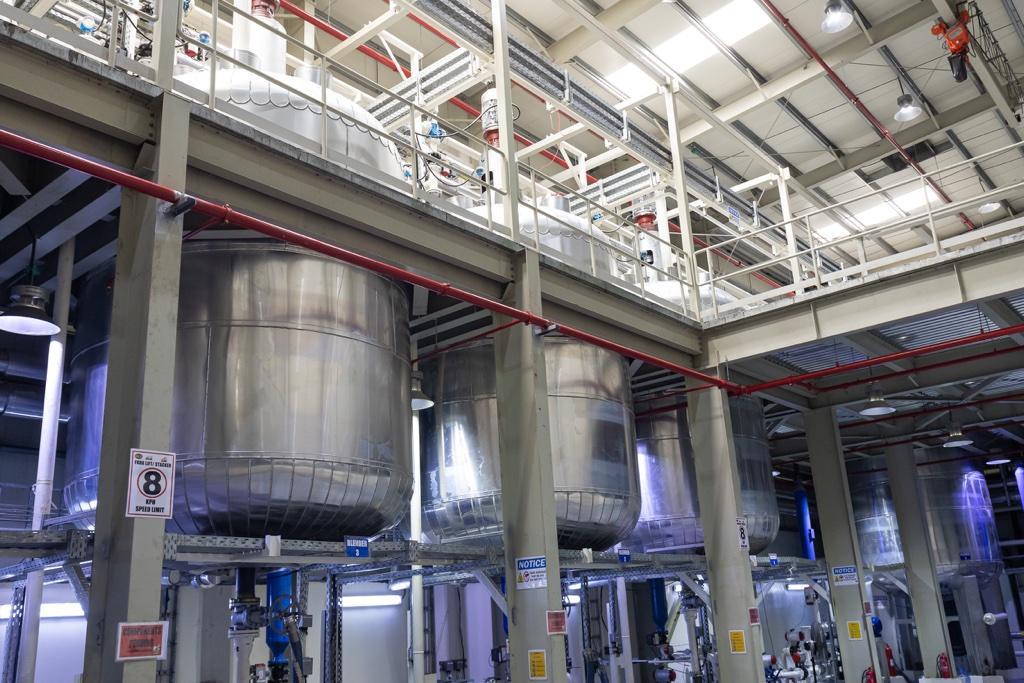
“Traditional antifreezes are classics proven over decades,” notes Juri Sudheimer. “We continue producing them because they are irreplaceable for older cars and specialized machinery. Our Klaipėda plant focuses on these products for the European market, where many vintage vehicles and agricultural machines with copper or brass radiators are still in service.”
Carboxylate Antifreezes (OAT — Organic Acid Technology)
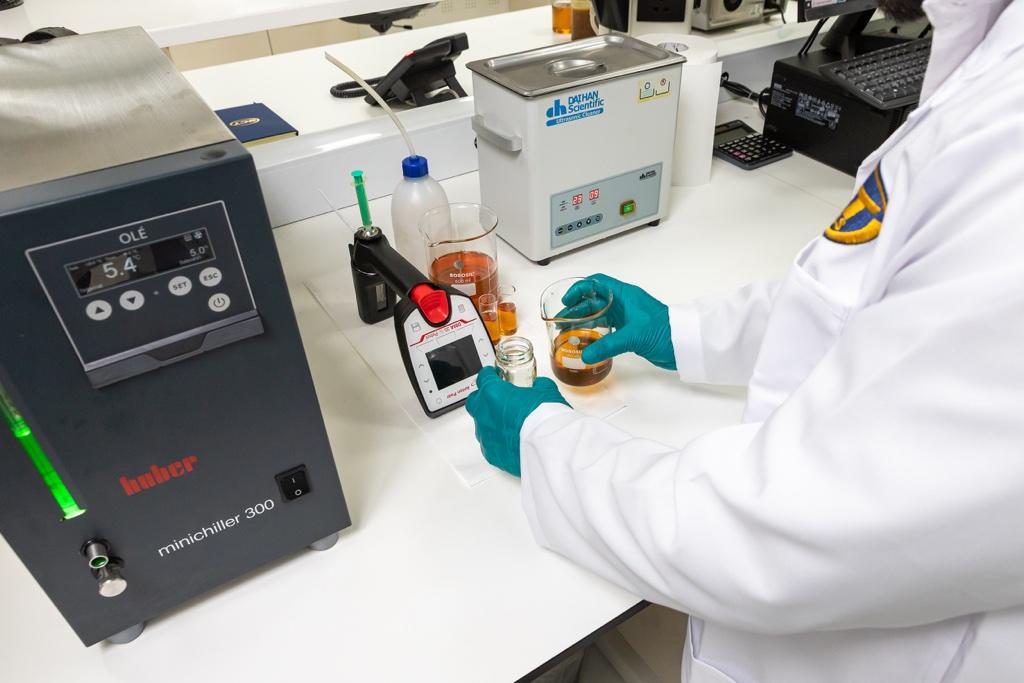
These use only organic acids (carboxylates) as corrosion inhibitors. OAT additives work selectively—protecting only damaged or vulnerable areas, ensuring better heat transfer.
These antifreezes are particularly well suited for aluminum radiators, which are highly sensitive to coolant chemistry. Carboxylate technologies create the most reliable protective film to prevent corrosion. Another advantage is their longer service life—3 to 5 years.
In OAT coolants, additives do not evaporate, which means that if the coolant level drops solely due to evaporation, it is acceptable to top up with distilled water—but only if you are certain there are no leaks. Otherwise, always replenish with coolant.
This year, the company developed a unique carboxylate coolant: MANNOL DEX Coolant / Antifreeze 4016, compliant with GM’s strict GM6277M specification.
“The development of MANNOL DEX Coolant was the result of three years of lab work,” says Juri Sudheimer. “GM6277M is one of the most demanding specifications in the industry. To meet it, we conducted hundreds of tests on aluminum alloys, thermal stability studies, and corrosion-resistance assessments.”

Hybrid Antifreezes (HOAT — Hybrid Organic Acid Technology)
These combine organic acids with inorganic additives such as silicates or phosphates. They are formulated using either P-HOAT (phosphate) or Si-HOAT (silicate) technologies. There are also NAP-free variants (no nitrates, amines, or phosphates).
Hybrid antifreezes merge the benefits of both systems:
- organic acids protect “hot zones,”
- inorganic additives provide overall system protection.
Phosphate-containing HOAT (P-HOAT) offers enhanced protection for aluminum radiators, while silicate-based HOAT (Si-HOAT) provides strong anti-corrosion protection for iron engine components.
Lobrid Antifreezes (Low Hybrid Technology)
Lobrid coolants represent the newest generation—a blend of roughly 90% organic (carboxylate) and 10% inorganic (silicate or phosphate) inhibitors. This combines the targeted protection of OAT technologies with the rapid initial protection of inorganic additives.
Lobrid coolants resemble hybrid antifreezes but contain fewer inorganic inhibitors for improved heat transfer—designed to strike the perfect balance between protection and cooling efficiency.
Antifreeze Quality Standards
Coolants are regulated by two main standards:
- ASTM D3306 – for ethylene-glycol coolants used in light-duty passenger vehicles,
- ASTM D4985 – for heavy-duty trucks.
What Else Should You Know?
Many people mistakenly believe that antifreeze should be chosen solely by color—but this is completely wrong.
European and Japanese manufacturers may follow certain color conventions (in Japan, coolant color often indicates freeze point), while in the U.S. there is no color policy at all. Over time, dyes also fade, causing the coolant to change color.
Can Different Antifreezes Be Mixed?
We strongly recommend not mixing antifreezes from different classes.
Online, you can find compatibility tables, but we advise against relying on them, as there is no unified global standard. Manufacturers may interpret Volkswagen classifications differently, so two coolants labeled with the same class may still be incompatible.
For maximum safety, we also recommend using antifreeze from the same manufacturer. For example, if you choose Mannol, you should not mix it even with a similarly classified product from another brand.
When replacing coolant, the safest approach is to flush the system with the same type of coolant you plan to fill, drain it, and then fill with fresh coolant.
How to Choose the Right Antifreeze for Your Car
Forget the color.
Open your vehicle’s owner’s manual and find the coolant specifications. It will list the required class and approvals, such as VAG G12++, GM6277M, Ford WSS-M97B44-D, and others.
For selecting the correct MANNOL coolant, use the SCTApprovalControl database, where you can search by specification and find the exact product matching your vehicle requirements.






Add Your Directory With Us
Boost your visibility with our Business Directory

Add Your BCard With Us
Open the door to new professional connections.
DayOfDubai
Business Services
