
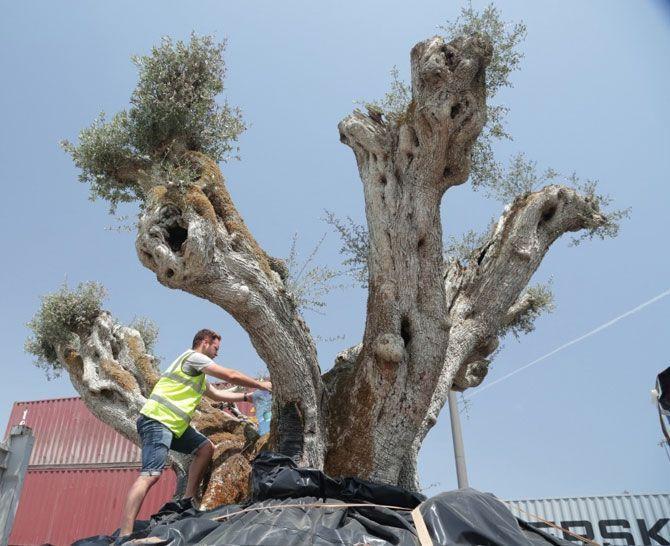
Centuries-old olive trees to be replanted at new Dubai residential project
Ancient Mediterranean olive trees, some estimated to be up to 2,500 years old and valued at as much as Dh1 million each, are set to be replanted in Dubai as part of a new residential development, according to the project’s developer.
The centuries-old trees will be incorporated into the landscaping of Keturah Reserve, a luxury residential project located in District 7 of Mohammed Bin Rashid City in Meydan. Sourced from Spain and Italy, the olive trees will be transported using specialised cargo methods and replanted with heritage preservation techniques designed to help them adapt to Dubai’s climate.
Developer MAG said the initiative reflects a growing focus on integrating nature into residential environments. Olive trees, known for their exceptional longevity, can live for several thousand years and are among the longest-living cultivated plants in the world.
According to the developer, introducing mature olive trees aligns with research linking nature-rich living environments to improved wellbeing. A peer-reviewed study published earlier this year found that residents in homes with strong connections to nature reported higher levels of satisfaction, improved mental wellbeing, and reduced stress.
The olive trees will be placed throughout landscaped open spaces within the development, which features low-rise residential buildings. Keturah Reserve will include a mix of apartments, townhouses, and villas, with designs focused on maximising natural light and airflow.
Talal M. Al Gaddah, founder and chief executive of the Keturah luxury brand, said the trees were selected for both their environmental and symbolic value, highlighting their historical significance and enduring nature.
The project is being developed across a 405,543-square-metre site, with handovers scheduled to begin in phases from 2027 through early 2028.






Add Your Directory With Us
Boost your visibility with our Business Directory

Add Your BCard With Us
Open the door to new professional connections.
DayOfDubai
Business Services
