

UAE Launches National Plan to Register Cultural Heritage Elements on UNESCO Lists to Strengthen Cultural Tourism and Global Soft Power
His Excellency Sheikh Salem bin Khalid Al Qassimi, Minister of Culture, announced the launch of the National Plan for the Registration of Cultural Heritage Elements on UNESCO Lists (2026–2036), emphasizing that the initiative reflects the visionary leadership of the UAE in preserving and promoting the nation’s cultural legacy. The plan underscores the strategic importance of cultural heritage as both a driver of national identity and an enabler of sustainable cultural and economic development.
H.E. Sheikh Salem bin Khalid Al Qassimi stated: “Inscribing cultural heritage elements on UNESCO lists is fundamental to enhancing the nation’s competitiveness in international cultural and tourism indices. It also strengthens the integration of national efforts to safeguard heritage, enhances its sustainability, and reinforces its value at both regional and international levels.”
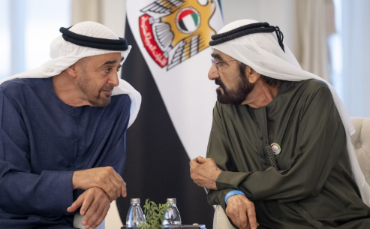
The plan, recently approved by the UAE Cabinet chaired by His Highness Sheikh Mohammed bin Rashid Al Maktoum, Vice President and Prime Minister of the UAE and Ruler of Dubai, marks a major milestone in the country’s efforts to safeguard Emirati heritage and elevate its global cultural standing.
Aligned with the UAE Tourism Strategy 2031, the National Plan aims to position cultural tourism as a key pillar of economic diversification, contributing to the goal of raising the tourism sector’s share of national GDP to AED 450 billion by 2031.
Developed by the Ministry of Culture in collaboration with local cultural authorities, government entities, and heritage experts, the framework sets clear priorities for inscription and readiness of heritage sites and cultural elements in accordance with international standards and best practices.
UNESCO’s major heritage programs include the World Heritage List, featuring over 1,200 cultural and natural sites of outstanding universal value, and the Representative List of the Intangible Cultural Heritage of Humanity, which currently includes 840 intangible elements. Other key registers include the Memory of the World Register for documentary heritage and the program recognizing anniversaries of significant historical events and personalities.
The UAE currently has two sites inscribed on the UNESCO World Heritage List: The Cultural Sites of Al Ain (listed in 2011) and Al Faya in Sharjah (inscribed in 2025). Both are of exceptional global value, with Al Faya noted for preserving one of the world’s longest continuous records of human presence in desert environments, dating back more than 200,000 years.
The UAE also leads the Arab region in intangible cultural heritage recognition, with 21 elements inscribed on UNESCO’s Representative List and three Emirati personalities honored under the anniversaries program.
By 2036, the National Plan seeks to expand the UAE’s global heritage footprint by increasing the number of World Heritage sites to six, Intangible Cultural Heritage elements to 44, and recognized figures and historical events to 12, in addition to inscribing at least four elements in the Memory of the World Register.
The plan also outlines capacity-building initiatives, including workshops with local and regional partners to identify priority sites and heritage elements using well-defined selection criteria. These efforts will contribute to achieving the UN Sustainable Development Goals (SDGs) by strengthening national capabilities in documentation and preservation, fulfilling international commitments, and fostering international cooperation through joint heritage nominations.









Add Your Directory With Us
Boost your visibility with our Business Directory

Add Your BCard With Us
Open the door to new professional connections.
DayOfDubai
Business Services

Comments (0)
Please log in to post a comment
Login to CommentNo comments yet. Be the first to share your thoughts!