
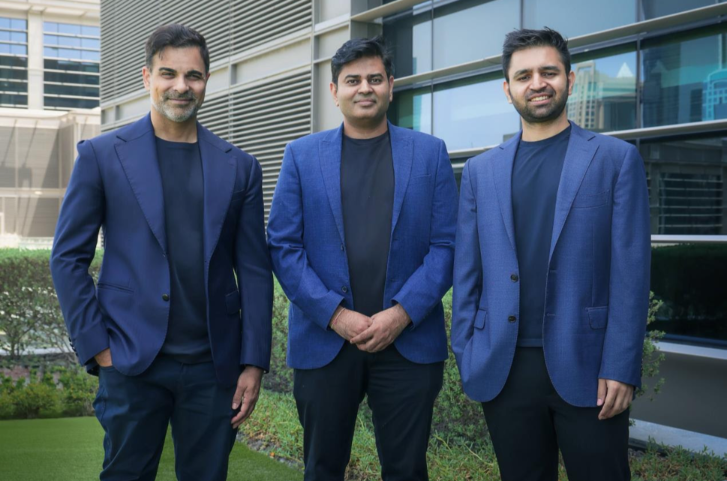
Middle East poised for USD600 billion boost from asset tokenisation
The Middle East is on the brink of a potential USD600 billion economic uplift driven by the tokenisation of real-world assets, according to a new 2026 spotlight report released by financial infrastructure provider Fuze.
The report, Virtual Assets in the Middle East, reveals that virtual asset transactions in the region surpassed USD500 billion during 2025, despite volatility in global crypto markets toward the end of the year. The findings underline the region’s accelerating shift toward digital finance, supported by maturing regulation, infrastructure readiness, and growing enterprise and consumer adoption.
According to Fuze, the tokenisation of assets such as real estate and commodities represents one of the largest upcoming opportunities. By converting physical assets into digital tokens, the market could unlock significant liquidity, efficiency, and access, with an estimated value of up to USD600 billion for the region by 2030.
Commenting on the report, Fuze Chief Executive Officer Mohammed Ali Yusuf said the Middle East has moved beyond experimentation into large-scale adoption. He noted that the UAE continues to lead the digital assets ecosystem, while Saudi Arabia is positioning itself as a major global hub for asset tokenisation. Yusuf added that regulatory frameworks across the region are evolving rapidly, creating an environment conducive to mass adoption.
The report also highlights a major transformation underway in the GCC remittance market. Stablecoins are emerging as a cheaper and faster alternative to traditional cross-border transfer systems. While conventional remittance costs typically range between 5% and 6% per transaction and can take several days, stablecoin transfers can reduce costs to around 1% or less and operate on a near real-time, 24/7 basis.
Based on its analysis, Fuze estimates that stablecoins could account for between 7% and 15% of remittance flows from the Middle East by the end of the decade. Supporting this outlook, PwC projects that stablecoin-linked financial services in the GCC will grow at an annual rate of 32%.
As a licensed and regulated provider, Fuze offers infrastructure that enables institutions and enterprises to deploy crypto, stablecoin, and digital payment solutions securely within their operations. The company said regulatory clarity and strong oversight remain critical to building trust and ensuring the long-term success of virtual asset ecosystems.
Yusuf emphasised that safety and security are essential as adoption accelerates, noting that proactive regulation by central banks and licensing authorities across the Middle East is playing a key role in advancing digital financial inclusion. He added that throughout 2026, businesses and consumers are expected to experience faster, more affordable, and more convenient ways of moving money, driven by the continued growth of virtual assets.








Add Your Directory With Us
Boost your visibility with our Business Directory

Add Your BCard With Us
Open the door to new professional connections.
DayOfDubai
Business Services

Comments (0)
Please log in to post a comment
Login to CommentNo comments yet. Be the first to share your thoughts!