


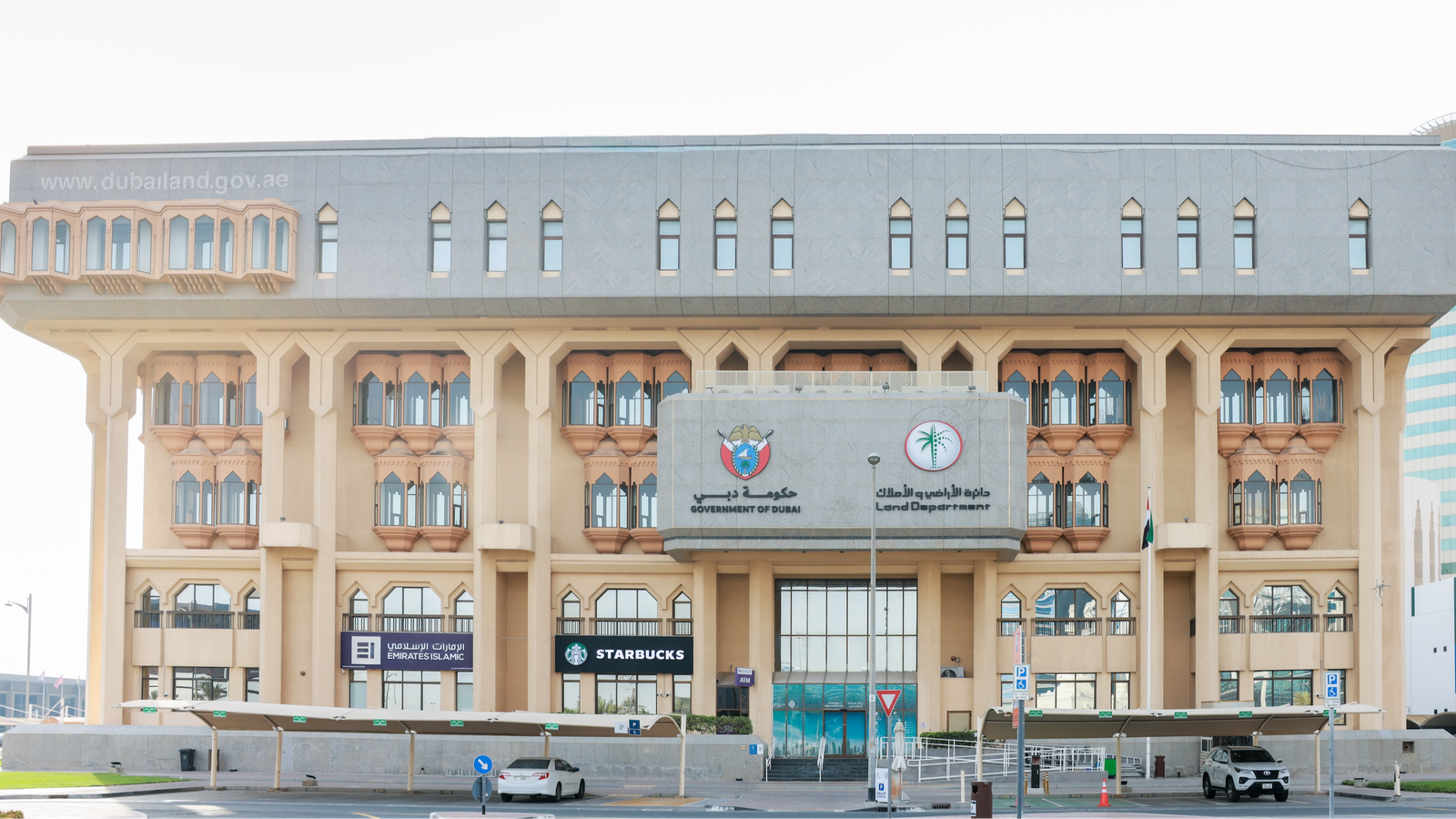
Dubai's construction sector recorded strong growth during the first half of 2026, with the number of licensed buildings increasing by 37.4% year-on-year, according to data from Dubai Municipality.
The number of licensed buildings rose from 3,134 in the first half of 2025 to 4,305 during the same period in 2026, representing an increase of 1,171 buildings. Arabian Gulf Properties said the figures reflect continued momentum in Dubai's urban development and sustained confidence in the emirate's real estate market.
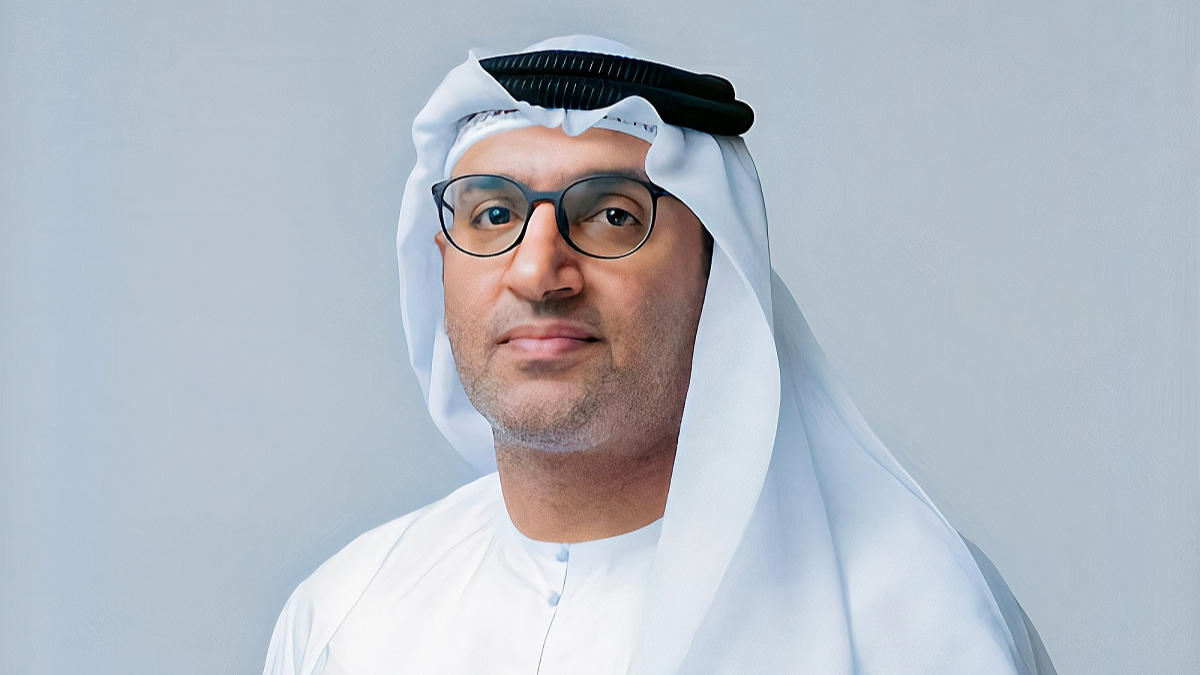
Badar Rashid Al Blooshi, Chairman of Arabian Gulf Properties, said the increase demonstrates the scale of development activity taking place across Dubai and continued confidence in the market's outlook.
He noted that the growth extends beyond new project launches to include the development and enhancement of existing assets, reflecting the market's ability to respond to the changing requirements of residents, businesses and investors.
Infrastructure and Urban Planning Support Growth
Al Blooshi said Dubai's real estate market continues to benefit from an integrated ecosystem combining long-term urban planning, advanced infrastructure and streamlined regulatory processes.
The emirate's ability to attract residents, businesses and investment has also contributed to continued development activity. As construction expands, Al Blooshi said project quality, efficient delivery and sustainability will remain important to maintaining Dubai's competitiveness and long-term attractiveness.
The scale of projects currently under construction provides another indicator of the depth of activity in the emirate. According to Arabian Gulf Properties, more than 24,000 buildings are currently under construction across Dubai.
Al Blooshi said the figure highlights the scale of Dubai's ongoing urban transformation while emphasising the importance of aligning new supply with market requirements and maintaining the standards associated with the emirate's position as a global destination for living, working and investment.
Digitalisation Accelerates Construction Ecosystem
Dubai's construction sector is also undergoing continued digital transformation, supported by streamlined licensing procedures, updated regulatory frameworks and the adoption of advanced technologies.
These developments are aligned with the objectives of the Dubai Economic Agenda D33 and the Dubai 2040 Urban Master Plan, which seek to support economic growth, infrastructure development and long-term urban planning.
The increasing use of digital systems and more efficient regulatory processes is expected to further support project approvals, construction activity and delivery across the emirate.
Broader Real Estate Opportunities
Arabian Gulf Properties said the continued growth in building licences, construction activity and project delivery signals a new phase in Dubai's real estate development.
The company expects the market's evolution to be characterised by a broader range of residential and commercial options, improvements to the urban environment and development that keeps pace with Dubai's economic and population growth.
The rise in licensed buildings during the first half of 2026 therefore provides another indication of the continued scale of Dubai's real estate expansion, while ongoing construction and infrastructure investment are supporting the emirate's broader ambitions for sustainable and competitive urban development.






Comments
0 commentsNo comments yet. Be the first to share your thoughts!