



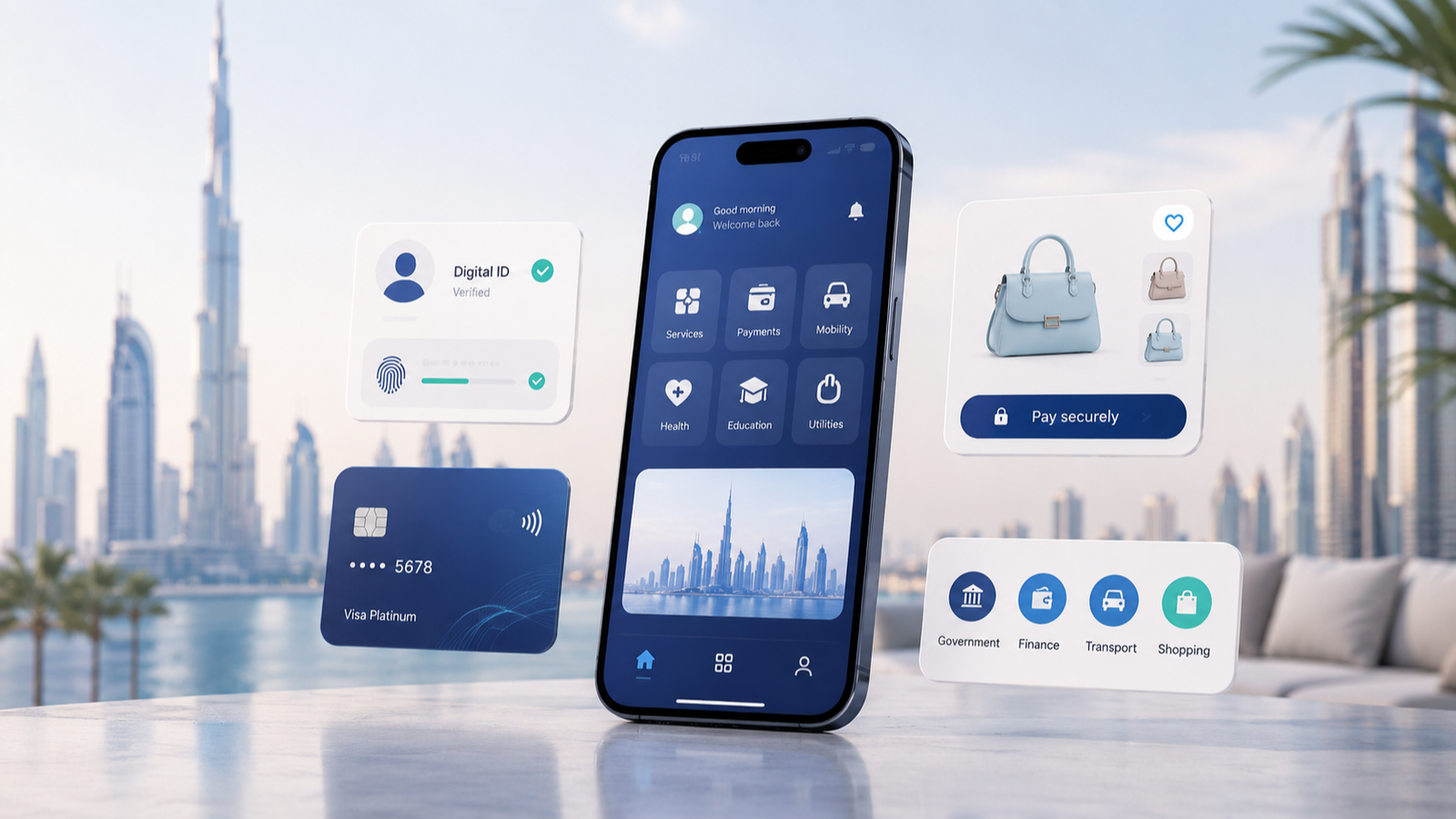
People in Dubai have a lot of their lives online. A DEWA bill, documents from the government, bank accounts, shopping, booking appointments, communicating with family and working can all be done from a mobile phone. It makes life faster but also allows more data to be stored through apps, websites, and online profiles.
With a rising reliance on digital services, online privacy is transforming from a purely technical issue to a practical life choice. For residents in Dubai, there are some relatively straightforward ways to minimize unwanted exposure without complicating daily internet usage:
Everyday Digital Risks Are Easier to Overlook
Phishing is the most common threat on the internet. This involves receiving an e-mail that appears to have originated from a bank, delivery company, government department or other well-known organization and asking you to click a link or give information.
Other common spam message topics include shopping orders, banking jobs, travel, and account verification. The UAE Telecommunications and Digital Government Regulatory Authority (TDRA) provides cyber-awareness guidelines to help users identify potential online threats and safeguard their data.
The key here is not to think each request is malicious. Think about how you respond; for every question, ask yourself: can I pause for a second before I reply? Find the sender, scrutinize the URL and log in to the account via the application or website and not the link submitted.
Think About How Much Data Your Apps Collect
These are not the only forms of abuse. Privacy is also an issue with standard everyday applications and services that, based on their function and permissions, may collect information such as contact details, location coordinates, device information, browsing data, and usage habits.
That doesn't necessarily mean an app is completely untrustworthy. Instead, it may be worth double-checking which permissions it truly needs. A shopping app might require certain information to deliver its service, but an alternative app has little reason to continually access your location.
People might be able to check app permissions from time to time, uninstall apps, and review privacy settings when opening online accounts to help them to become more aware of where personal data is being transmitted.
The UAE's Personal Data Protection Law offers a more comprehensive basis for personal data protection in the country. Information for data protection in the UAE can be found on the official UAE government webpage.
Strong Passwords Still Matter
The most important thing is to protect everything with strong passwords. For example, if you're using the same password for your bank, email, shops, or social networking sites, you're putting yourself at risk.
Instead, do this for any important accounts: use long, complicated passwords. A good password manager can help to generate and remember all of them.
If available, enable multi-factor authentication (MFA). This adds a second verification step, making it much harder to access the account if the password is compromised.
Email has to be singled out because it is often used to reset passwords for other services, so protecting the email account can improve your system's security.
Be Careful With Public Wi-Fi
Online access must be able to provide near-ubiquitous coverage for Dubai residents. This may be encountered in cafes, hotels, airports, malls, offices, and similar places, on public Wi-Fi hotspots. While the access is convenient, it cannot be trusted when entering private details.
If you're using it to browse the web normally, simple things like checking whether a site uses HTTPS and avoiding dodgy links will do. If it is something more sensitive like banking or accessing a vital account, then a trusted mobile connection or secure network can be a lot more reassuring.
The residents can also use a VPN (Virtual Private Network) to encrypt their internet connection when surfing on public or shared Wi-Fi networks, creating an additional layer of security between their device and the network.
Privacy Matters for Dubai's International Community
The international jet set, broadened by so many residents keeping ties with multiple countries via international banks, communication with friends and family, online employment sites, the travel industry, online entertainment etc., produces an added relevance for online privacy issues in Dubai.
You could be employed by a firm headquartered in Europe, have an online conversation with family in India and be logged onto a service linked to a third country in the space of one day, accounting for the mixed nature of this digital routine.
When traveling or connecting through new networks to access services, stream content, etc.,, users will need to be cautious about account access security and usage restrictions. Privacy tools may be needed for access security measures yet the tool should not be used as an alternative to strong passwords, proper browsing practices, or accessing legitimate Internet sites.
Small Habits Can Make a Real Difference
You don't need to be a cybersecurity maven to get better online privacy. Extend yourself into a few simple practices: create passwords you can remember but no one else can guess; turn on multifactor authentication; keep devices and software up to date; review app permissions; question unexpected messages and avoid entering passwords or credit card details through dodgy links.
It is also advisable to keep your phone, computer, browser, and security software up to date. Since software upgrades often bring security improvements, they should not be delayed more than necessary.
Living in one of the most connected places in the world (Dubai) doesn't mean exposing yourself to more risks then elsewhere, because being so well connected has to bring great benefits as well, like digitizing government procedures, online banking, and connecting with friends all over the world..In the name of privacy, all it takes is to associate privacy with common-sense behavior online.
Protecting personal information will be an easy task for residents in 2026. A simple, preliminary check before clicking, sharing, and linking can create a more private and more secure internet world.












Comments
0 commentsNo comments yet. Be the first to share your thoughts!