

The Latest Trends in Renewable Energy in Dubai and Their Future Impact

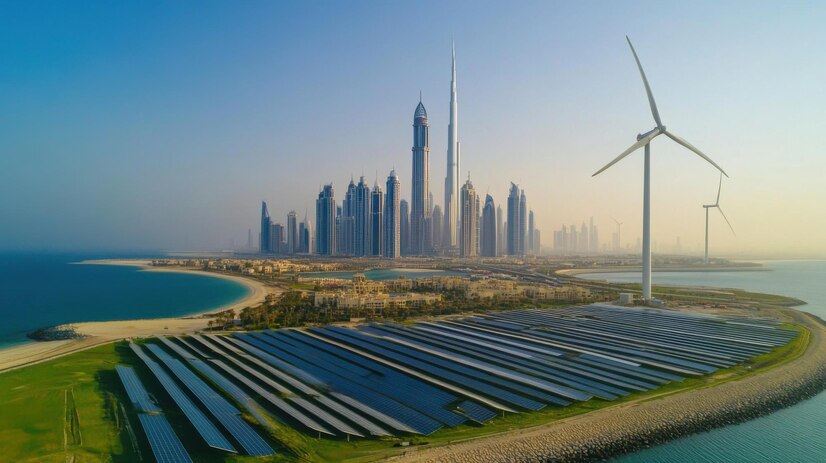
Dubai has rapidly emerged as a global leader in renewable energy, leveraging cutting-edge technologies and strategic initiatives to transition towards a sustainable future. With its ambitious clean energy goals, the city is setting benchmarks that promise to redefine its economic and environmental landscape.
Key Trends in Renewable Energy
-
Solar Power Expansion: Dubai’s solar energy projects, such as the Mohammed bin Rashid Al Maktoum Solar Park, are among the largest globally. The solar park aims to achieve a production capacity of 5,000 megawatts (MW) by 2030, significantly reducing carbon emissions.
-
Green Hydrogen Development: Dubai has pioneered the region’s first industrial-scale green hydrogen plant. This initiative is expected to bolster clean energy adoption across sectors such as transportation and industry.
-
Waste-to-Energy Plants: The construction of waste-to-energy facilities highlights Dubai’s commitment to innovative solutions for reducing landfill dependency and generating power sustainably.
-
Energy Storage Technologies: Investments in advanced battery systems and energy storage technologies are ensuring the stability and reliability of Dubai’s renewable energy grid.
-
Smart Grid Implementation: The integration of smart grids enables efficient energy distribution and enhances the resilience of Dubai’s power infrastructure.
Impact on Dubai’s Future
-
Economic Diversification: By investing heavily in renewable energy, Dubai is reducing its dependence on oil revenues and fostering economic diversification. This shift is creating opportunities in green industries, research, and development.
-
Environmental Sustainability: Achieving net-zero emissions is a cornerstone of Dubai’s energy strategy. The widespread adoption of renewable energy is expected to significantly improve air quality and reduce the city’s carbon footprint.
-
Job Creation: The renewable energy sector is generating employment opportunities in various fields, from engineering and construction to technology and management.
-
Energy Independence: Enhanced energy storage and diversified energy sources will strengthen Dubai’s energy security, ensuring a reliable and sustainable power supply.
-
Global Leadership: Dubai’s achievements in renewable energy position it as a role model for sustainable urban development, attracting international partnerships and investments.
As Dubai continues its journey towards a green future, its commitment to renewable energy serves as a beacon of innovation and sustainability. These efforts not only align with the UAE’s vision but also promise a cleaner, more prosperous future for generations to come.