

The Hidden Economics of Furnishing a Rental for Short Stays

Two apartments with the same floor plan, in the same tower, can post noticeably different earnings at the end of the year, and the gap often traces back to decisions made before either unit hosted its first guest. Furnishing a short-stay rental is routinely priced as a decoration exercise, when commercially it behaves like the fit-out of a small hospitality business.
The Interior Is Priced Into Every Night
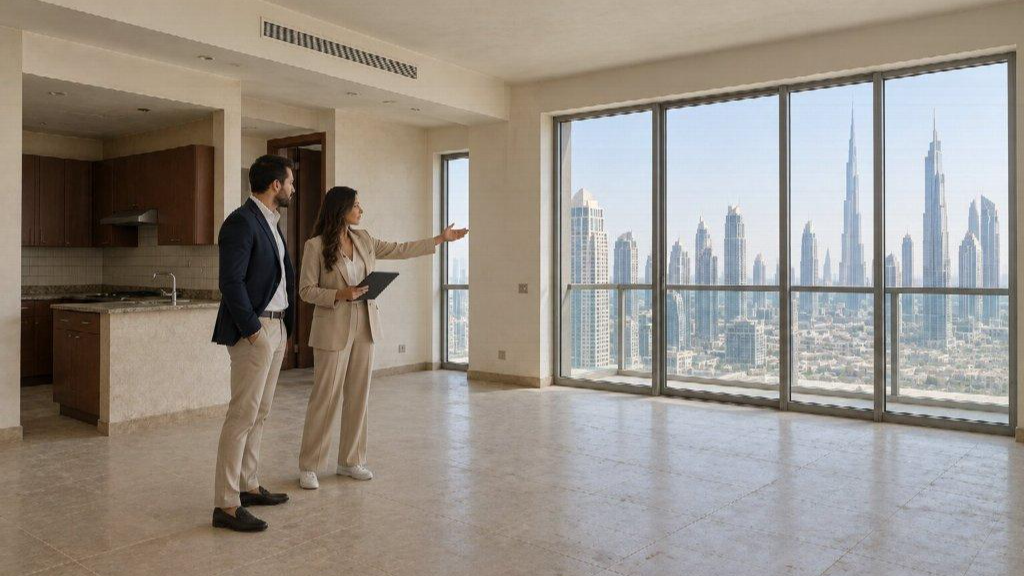
A short-stay guest never visits before booking, so the photographs decide, and the interior determines what those photographs can honestly show. Furnishing choices are therefore competing in search results long before they are keeping anyone comfortable. A unit that presents well can win the booking at a stronger rate, while a thin or mismatched interior tends to compete on price alone.
Reviews then compound the effect. The first guests describe whether the space delivered what the photographs promised, and their scores shape what the next guests are willing to pay. Furnishing quality moves through photography into the nightly rate, and through reviews into occupancy, which is why the spend belongs in a revenue model rather than in a decorating budget.
Built for Turnover, Not for a Tenancy
A long-term rental is furnished once and lived in gently by one household. A holiday home absorbs a far higher rate of turnover: arrivals, departures, and full housekeeping resets, week after week through the year. That cadence changes what value for money means.
Durable fabrics, washable finishes, and furniture chosen for repairability can cost more on day one and less across three years. Professional operators also standardise the fit-out: identical lamps and fittings that can be replaced without a redesign, several spare linen sets per bed, an inventory list housekeeping can check at speed, and a locked cupboard for the owner's own belongings. None of that appears in a brochure shot, yet all of it protects the calendar, since an item that cannot be replaced quickly can take a unit off the market in a peak week.
Dubai's climate adds its own line items. Strong sunlight through floor-to-ceiling glass can fade fabrics and wood finishes faster than owners from milder markets expect, and fine dust settles into light upholstery between deep cleans. Sensible responses include window treatments that protect the room when it sits empty, washable covers, and colours chosen to forgive daily use as well as to photograph well.
The Equipment the Licence Requires
Furnishing budgets in Dubai also carry a compliance layer. Every holiday home operates under a licence from Dubai's Department of Economy and Tourism (DET, formerly DTCM), and the DET Holiday Homes User Guide sets out equipment each unit must hold: fire extinguishers and fire blankets, a first-aid kit, displayed emergency procedures, a 24-hour maintenance contact, and a SIRA-approved smart lock connected to the city's Keyless system.
That list is modest next to the furniture bill, but it belongs in the plan from the start, because the licensed unit is the precondition for everything the interior is meant to earn.
Where Professional Design Pays Its Way
These economics also explain why many owners now work with specialists in Airbnb interior design in Dubai, who understand how layout, furnishings, photography, and guest expectations combine to improve both occupancy and nightly rates. Rather than treating design as a cosmetic upgrade, successful operators view it as part of a property's revenue strategy. First Class Property Management, which as of July 2026 manages more than 700 Dubai properties, runs design and furnishing as steps inside its onboarding, ahead of photography and listing, so the unit enters the market presenting at its ceiling rather than growing into it. The standard guests then meet is reflected in a 4.9 Airbnb rating from 12,344 reviews, as of June 2026.
An interior also ages faster in short-stay service than most owners expect, since wear that a single household spreads over a decade arrives in a few busy seasons. The refresh, when it comes, is best treated as a revenue event rather than a repair: worn items replaced in one pass, new photography commissioned, and the nightly rate reviewed against the improved presentation, provided any change remains commercially viable.
Priced properly, furnishing is not the cost of entering the short-stay market so much as the asset that does the earning, and budgeting it that way from the first quotation is what separates an interior that decorates a property from one that pays for it.