
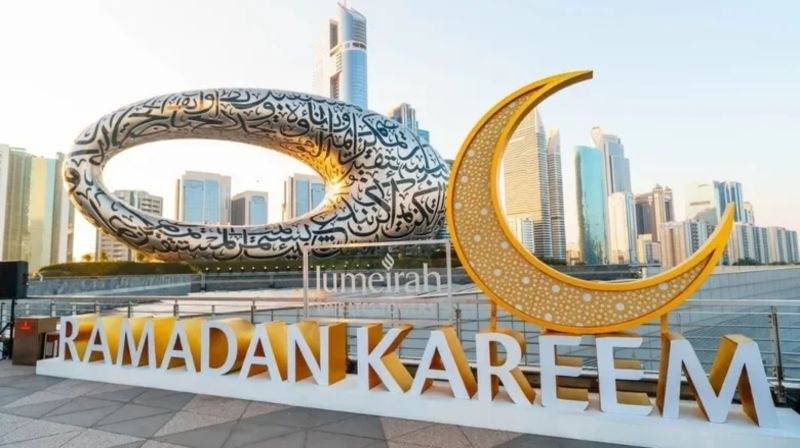
Ramadan 2026: Rules and Etiquette to Follow in UAE, From Dressing to Work Habits
With Ramadan 2026 expected to begin around February 19, daily life across the UAE will adjust to reflect the spirit of the holy month. Working hours, social routines, and public behaviour often shift, affecting both those who fast and those who do not. Authorities and community organisations encourage residents and visitors to observe cultural norms and show consideration throughout the period.
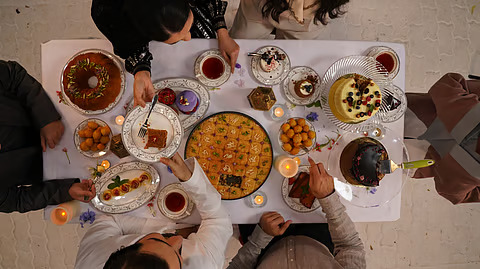
Ramadan is the holiest month in the Islamic calendar. Adult Muslims fast from dawn to sunset, refraining from food and drink while increasing their focus on prayer, charity, and reflection. Across the UAE, the month brings a noticeable change in pace, with evenings centred around Iftar meals and night prayers.
Public eating and dining practices
While several emirates no longer enforce a strict ban on eating or drinking in public during daylight hours, people are encouraged to be respectful of those who are fasting. Avoiding eating, drinking, or chewing gum directly in front of fasting individuals is considered courteous.
Most restaurants and cafés remain open during the day, often with discreet or designated dining areas. Many venues resume full service at Iftar and some operate late into the night to serve Suhoor, the pre-dawn meal. Supermarkets generally maintain normal hours, while shopping malls often extend operating times after sunset.
Greetings and communication
Common Ramadan greetings include “Ramadan Kareem” and “Ramadan Mubarak,” both conveying good wishes for the holy month. These phrases are widely used in workplaces and public settings and are appreciated as a sign of respect.
Fasting Muslims are also mindful of speech and behaviour, trying to avoid swearing, gossip, and arguments. Colleagues and visitors are advised to keep language polite and measured to align with the month’s values.
Dress code in public spaces
There is no special legal dress code for Ramadan, but modest clothing is encouraged in public places such as malls, parks, and restaurants. Covering shoulders and knees is generally recommended for both men and women as a sign of cultural awareness and respect.
Workplace adjustments and meetings
During Ramadan, many organisations implement reduced working hours. Energy levels may vary for those who are fasting, especially in the late afternoon.
Employers and teams are advised to avoid scheduling meetings or tight deadlines close to sunset, when Muslims prepare to break their fast with family. Evenings are also dedicated to worship, including Taraweeh prayers held after Iftar. Flexibility in scheduling and expectations is widely appreciated.
Social customs and gifting
Exchanging food and small gifts is common during Ramadan. Offering items such as dates, sweets, or snacks to Muslim friends or colleagues is seen as a thoughtful gesture, though not required. Shared meals and food distribution are longstanding traditions of the month.
A month of patience and consideration
Ramadan is a time focused on compassion, community, and reflection. Shorter workdays, altered schedules, and increased family and prayer commitments are typical. Demonstrating patience, flexibility, and understanding helps maintain a respectful environment for everyone in the UAE during the holy month.



Add Your Directory With Us
Boost your visibility with our Business Directory

Add Your BCard With Us
Open the door to new professional connections.
DayOfDubai
Business Services
