
What to Do When Your Car Needs Immediate Repair in Al Quoz
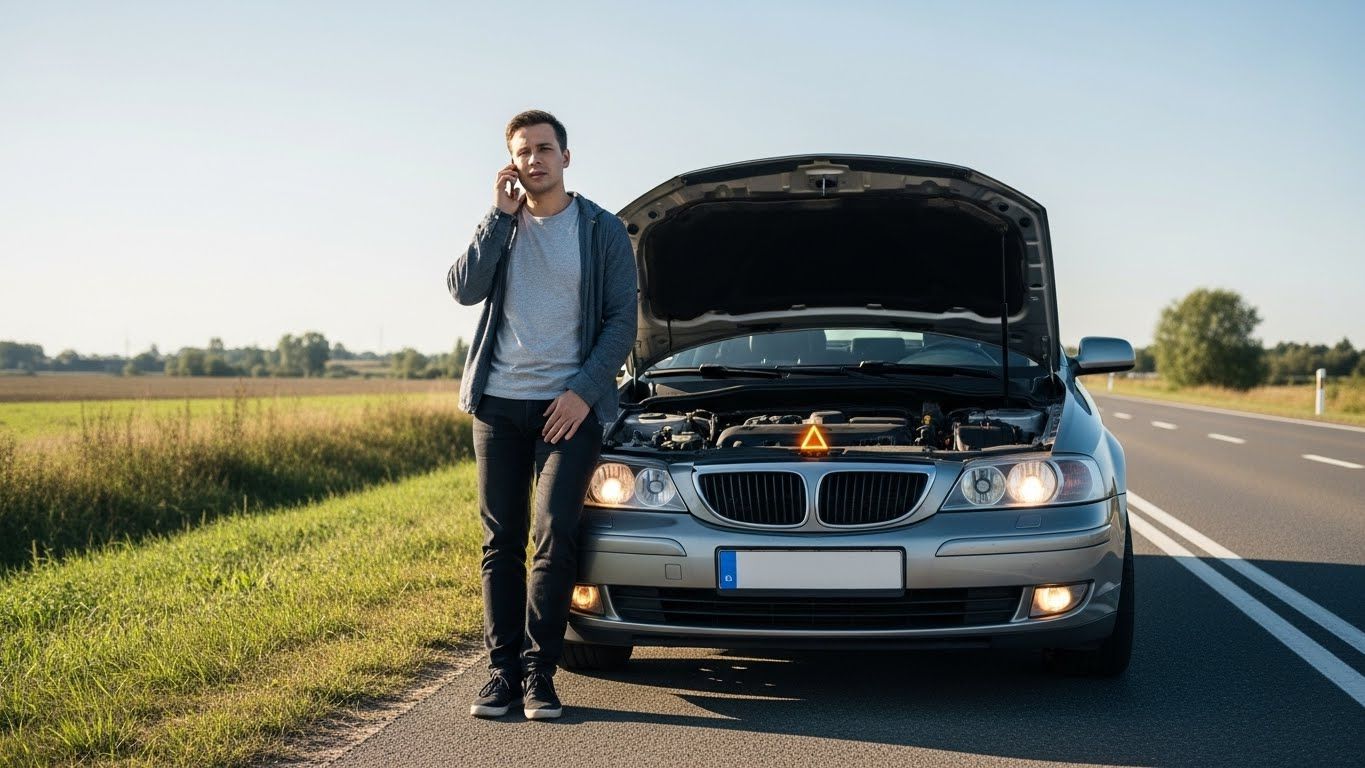
Car breakdowns are stressful, especially in busy areas like Al Quoz. One moment, your drive is smooth, and the next, your car may stall, overheat, or show warning lights. These situations require calm, clear, and quick action.
Taking immediate steps can prevent further damage, reduce repair costs, and protect passengers. Many drivers underestimate how traffic, heat, and city driving can increase the risk of sudden failures. Understanding what to do when your car needs urgent attention keeps both you and your vehicle safe.
Step 1: Stay Calm and Ensure Safety
When your car shows signs of trouble, your priority should be safety. Panic can make situations worse.
- Turn on hazard lights to warn other drivers.
- Move the car to a safe spot if possible, such as a shoulder or parking area.
- Keep passengers inside or at a safe distance from moving traffic.
- Avoid trying to push the car on your own if it is heavy or in traffic.
Staying calm allows you to assess the problem clearly and prevents accidents.
Step 2: Quickly Identify the Problem
Before calling a mechanic, try to identify what is wrong. Even basic observations help professionals respond faster and bring the right tools.
Common urgent problems include:
- Engine overheating due to prolonged driving or a blocked radiator
- Battery failure, often from heat or long idle periods
- Flat tires or sudden punctures
- Strange noises, smoke, or unusual vibrations
- Dashboard warning lights
Take notes or remember the symptoms, even minor details, can help mechanics diagnose the issue accurately.
Step 3: Contact a Trusted Repair Service
Calling a professional is often the fastest way to prevent further damage. Many drivers in Al Quoz trust 800Sayara, a company known for fast and reliable assistance in city traffic conditions.
Scheduling a Car Repair in Al Quoz ensures:
- Quick response to urgent breakdowns
- Accurate diagnosis of the problem
- Proper tools and equipment are ready
- Skilled technicians who understand local driving challenges
Professional help saves time, prevents mistakes, and reduces repair costs in the long run.
Step 4: Temporary Measures to Prevent Damage
While waiting for assistance, there are small steps you can take to protect your vehicle. These are temporary measures, not permanent solutions:
- Turn off the engine if it is overheating
- Avoid driving on a flat tyre to prevent rim damage
- Keep the car in neutral if it stalls (manual transmission)
- Avoid jump-starting the battery if unsure about the procedure
- Do not continue driving if strange noises or smoke appear
Even simple actions can prevent minor issues from becoming major repairs.
Step 5: Know When to Tow
Some problems are too severe to drive even a short distance. Attempting to move the car could cause more damage.
- Call a professional towing service
- Avoid DIY towing if you don’t have the proper equipment
- Keep passengers safe and away from traffic while waiting
- Ensure the car is secured during the tow
Towing ensures that your car reaches the repair shop safely and minimizes the risk of additional damage.
Step 6: Follow Up After the Repair
After the repair is complete, it’s essential to confirm that everything is working correctly:
- Test drive in a safe area before returning to busy roads
- Check engine fluids, tyre pressure, and battery
- Ensure warning lights are off
- Keep the repair invoice and notes for future reference
Following up ensures that minor issues do not go unnoticed and that your vehicle stays reliable.
Step 7: Preventive Tips for Avoiding Emergency Repairs
While accidents and sudden breakdowns are sometimes unavoidable, proactive care can reduce the chances of urgent repairs:
- Regular servicing: Routine inspections by trusted companies can catch problems before they become emergencies
- Monitor warning signs: Unusual sounds, vibrations, or dashboard alerts should not be ignored
- Battery checks: Extreme heat in Al Quoz can shorten battery life; periodic inspection is key
- Fluid maintenance: Oil, coolant, and transmission fluids should be checked regularly
- Tire care: Proper pressure and tread reduce the risk of blowouts
By taking preventive measures, you reduce the risk of sudden breakdowns and expensive repairs.
Step 8: Driving Habits That Reduce Urgent Repairs
Your driving style can also prevent emergency repairs. Stop-and-go traffic, aggressive acceleration, and heavy braking add strain to engines and transmissions.
Helpful driving habits include:
- Smooth acceleration and braking in traffic
- Avoiding prolonged idling
- Maintaining a safe following distance
- Using air conditioning wisely to reduce engine load
- Parking in shaded areas when possible to reduce heat stress
Small changes in driving behavior can save both money and time in the long term.
Step 9: Why Professional Help Matters
Attempting DIY repairs in urgent situations can worsen the problem. Certified technicians provide:
- Accurate problem diagnosis
- Proper tools and replacement parts
- Expertise in complex engine, battery, or transmission issues
Final Thoughts
Urgent car problems can be stressful, especially in a busy area like Al Quoz. However, staying calm, acting quickly, and contacting a trusted service ensures safety and prevents further damage.
By following these steps, assessing the issue, taking temporary measures, contacting professionals, and practicing preventive care, drivers can reduce repair costs and keep their cars reliable. Being prepared today prevents emergencies tomorrow.









Add Your Directory With Us
Boost your visibility with our Business Directory

Add Your BCard With Us
Open the door to new professional connections.
DayOfDubai
Business Services
