
How to Choose the Right Cooker Hood for Your Kitchen
A kitchen isn’t complete without proper ventilation. Our cooking space should stay odour-free, smoke-free, and comfortable while we cook.
With so many designs, sizes, and technologies available, we understand that selecting the right cooker hood can feel overwhelming. Whether you’re looking for discreet island extractors or sleek wall-mounted hoods, knowing your kitchen layout, cooking habits and ventilation needs helps make sure that you pick a top-grade kitchen appliances for your culinary space.
Why a Cooker Hood is a Must-Have in the Kitchen
Cooker hoods haven’t always been a staple in the kitchen, but nowadays, they’re considered a valuable addition for comfort and cleanliness. Here’s why a cooker hood is a central addition to any kitchen:
-
Supports Proper Ventilation
Cooking produces smoke and strong odours that often linger in our kitchen and throughout our home. The good news is that proper ventilation from an extractor hood immediately removes these by-products.
A well-ventilated space prevents them from accumulating and decreases the risk of condensation forming on surfaces or smoke alarms being triggered. More importantly, this also guarantees that the kitchen stays fresh and pleasant.
-
Protects Surfaces from Grease
When you cook, tiny particles of grease get released into the air. Over time, these can stay on our walls, ceiling, or cabinets, leaving sticky residues that aren’t only difficult to clean but can also even damage surfaces.
A cooker hood traps such particles at the source, preventing long-term build-up. Your kitchen will stay cleaner and in great condition for years to come.
-
Improves Indoor Air Quality
Beyond smoke and grease, cooking also releases heat and airborne contaminants that affect air quality. Extractor hoods help maintain a healthier environment by circulating fresh air, reducing humidity, and minimising irritants like carbon monoxide or volatile compounds from specific foods.
Having a cooker hood not only makes you feel more comfortable working in the kitchen, but also at ease knowing that the air you and your loved ones breathe is cleaner and safer.
What Are the Different Types of Cooker Hoods Available?
When choosing the right hood, it’s important to consider your cooking habits, design preferences, and kitchen layout. Each type has its own advantages, so understanding them can help you make the best choice.
1. Wall-Mounted Hoods
These are installed directly above your cooking range, making them one of the most versatile and common types of extractor hoods. They also come in different styles, from stainless steel and glass designs to decorative chimney models, which can be a focal point in your kitchen. Wall-mounted hoods are also highly effective at trapping steam, smoke, and odours, so your kitchen stays fresh.
Features
- Available in both modern and traditional designs
- Strong suction power to eliminate smoke and cooking odours
- Usually comes with multiple fan speeds and lighting options
Ideal for
- Homeowners who want a functional yet visually striking kitchen centrepiece
- Traditional or industrial-style layouts
- Kitchens with a cooktop or stove against a wall
2. Island or Ceiling-Mounted Hoods
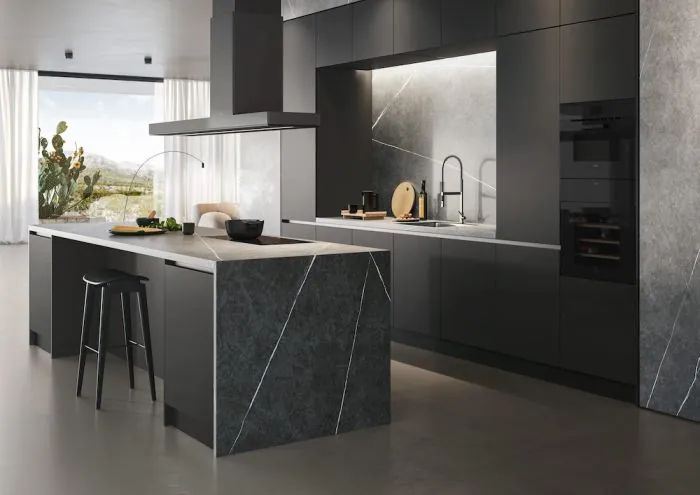
Island hoods hang from the ceiling above cooktops on a kitchen island. They’re often bigger than wall-mounted hoods, offering powerful ventilation from all sides. This type of cooker hood is especially useful in open-plan kitchens where cooking scents can travel freely. More than that, these hoods can also serve as a design statement, giving your cooking space a more luxurious feel.
Features
- Powerful extraction ideal for large cooktops
- Most are equipped with LED lighting to illuminate the cooking surface
- Can double as a stylish centrepiece in open-space kitchens
Ideal for
- Kitchens that require high-capacity ventilation for heavy or frequent cooking
- Homes with high ceilings that allow overhead installation
- Open-plan cooking spaces where the cooktop is on an island
3. Under-Cabinet and Built-In Hoods
Under-cabinet cooker hoods are installed directly beneath kitchen cabinets, while built-in or integrated hoods are hidden within cabinetry for a seamless and clean appearance. These designs are ideal for homeowners who prefer minimalism without compromising functionality. These units remove smoke and steam while keeping the hood tucked away and out of sight.
Features
- Unobtrusive and space-saving design
- Can be customised to fit seamlessly within your cabinetry
- Usually quieter than bigger hoods
Ideal for
- Sleek, minimalist kitchen layouts
- Homeowners seeking subtle yet effective ventilation
- Compact kitchens where every inch of space counts
4. Downdraft Extractors
These hoods are a modern alternative to traditional overhead units. Built into the countertop or cooktop, they only rise when needed to pull smoke, steam, or odours downward. When not in use, they retract completely, leaving your kitchen looking uncluttered.
Features
- Hidden when not in use for a clean, modern look
- Retractable design reduces visual clutter
- Effective for removing smoke at the source for certain cooking setups
Ideal for
- Minimalist kitchens with low ceilings or open layouts
- Kitchens where overhead hoods would obstruct design or sightlines
- Homeowners who want innovative, unobtrusive ventilation solutions
Key Features to Consider When Choosing a Cooker Hood
To ensure optimal performance, longevity, and comfort in your kitchen, we believe that these key features are worth considering when selecting a cooker hood:
-
Extraction Power and Airflow
The primary purpose of a cooker hood is to remove smoke, steam, and odours efficiently. Extraction power, usually measured in cubic meters per hour, indicates how much air the hood can move. A higher extraction rate is essential for larger kitchens or for frequent, heavy cooking, while smaller kitchens may do well with moderate airflow.
Tip: For open-plan kitchens or large cooktops, aim for a hood with higher airflow to keep your space smoke-free.
-
Noise Levels
A powerful cooker hood is great, but it can also be noisy if not designed well. Noise levels are measured in decibels, and most modern hoods operate between 50 to 70 decibels. Choosing a hood with quieter operation ensures your kitchen remains comfortable and conversations aren’t drowned out while cooking.
Tip: Look for hoods with multiple fan speeds so you can adjust power and noise depending on what you’re cooking.
-
Filters and Maintenance
Extractor hoods rely on filters to trap grease, smoke, and odours. Common types include metal mesh filters, which can be washed, and charcoal filters, often used in recirculating hoods. Regular cleaning or replacement keeps your hood efficient and prevents unpleasant smells.
Tip: Opt for easily removable filters and check how often replacements are needed to simplify maintenance.
-
Energy Efficiency
Like any kitchen appliance, range hoods consume electricity, and energy-efficient models can help reduce utility costs. Look for hoods with energy ratings or LED lighting, which uses less power while providing excellent illumination over your cooktop.
Tip: Energy-efficient hoods not only save on electricity bills but are also better for the environment.
-
Controls and Smart Features
Modern cooker hoods come with a variety of control options, from basic push-buttons to touch-sensitive panels and remote controls. Some even feature smart functions like automatic fan adjustment based on smoke levels, timers, or integration with home automation systems.
Tip: Smart features can make your cooking experience more convenient, especially if you want the hood to adjust automatically to different cooking conditions.
How to Maintain Your Cooker Hood
Keeping your cooker hood in top condition ensures it continues to keep your kitchen odour-free, smoke-free, and comfortable. Here are some simple maintenance steps we recommend:
- Clean or replace filters regularly. Metal grease filters can usually be washed every one to two months, while charcoal filters in recirculating hoods need periodic replacement.
- Wipe down surfaces. Use a damp cloth and mild detergent to clean the exterior and chimney to prevent grease buildup.
- Check the fan and motor. Inspect for dust or debris and ensure the fan is running smoothly; some models may require professional servicing occasionally.
- Clean ductwork (for ducted hoods). Ensure vents and ducts are free from grease and obstructions to maintain airflow efficiency.
- Use the hood correctly. Turn it on a few minutes before cooking and leave it running for a short time after cooking to fully remove smoke and odours.
- Replace lighting when needed. Keep the cooktop well-illuminated by changing bulbs or LEDs as they dim or burn out.
Find Your Ideal Cooker Hood
A well-chosen cooker hood plays a crucial role in maintaining a clean, comfortable, and healthy cooking environment. From removing smoke and grease to improving air quality, modern hoods combine functionality with style, making them an essential feature in every kitchen. Understanding the different types, key features, and maintenance requirements helps you make informed decisions that suit your cooking habits and kitchen layout.
Unsure which one is right for your kitchen? We offer a wide range of premium kitchen appliances, including cooker hoods to suit every need. From powerful wall-mounted and island hoods to sleek under-cabinet and downdraft extractors, our selection combines energy-efficient designs, quiet operation, and easy-to-maintain filters. Whatever your kitchen layout or style, you’ll enjoy a cleaner, fresher, and more comfortable cooking experience.









Add Your Directory With Us
Boost your visibility with our Business Directory

Add Your BCard With Us
Open the door to new professional connections.
DayOfDubai
Business Services
