

Sharjah Digital Department strengthens government leaders’ readiness to harness AI

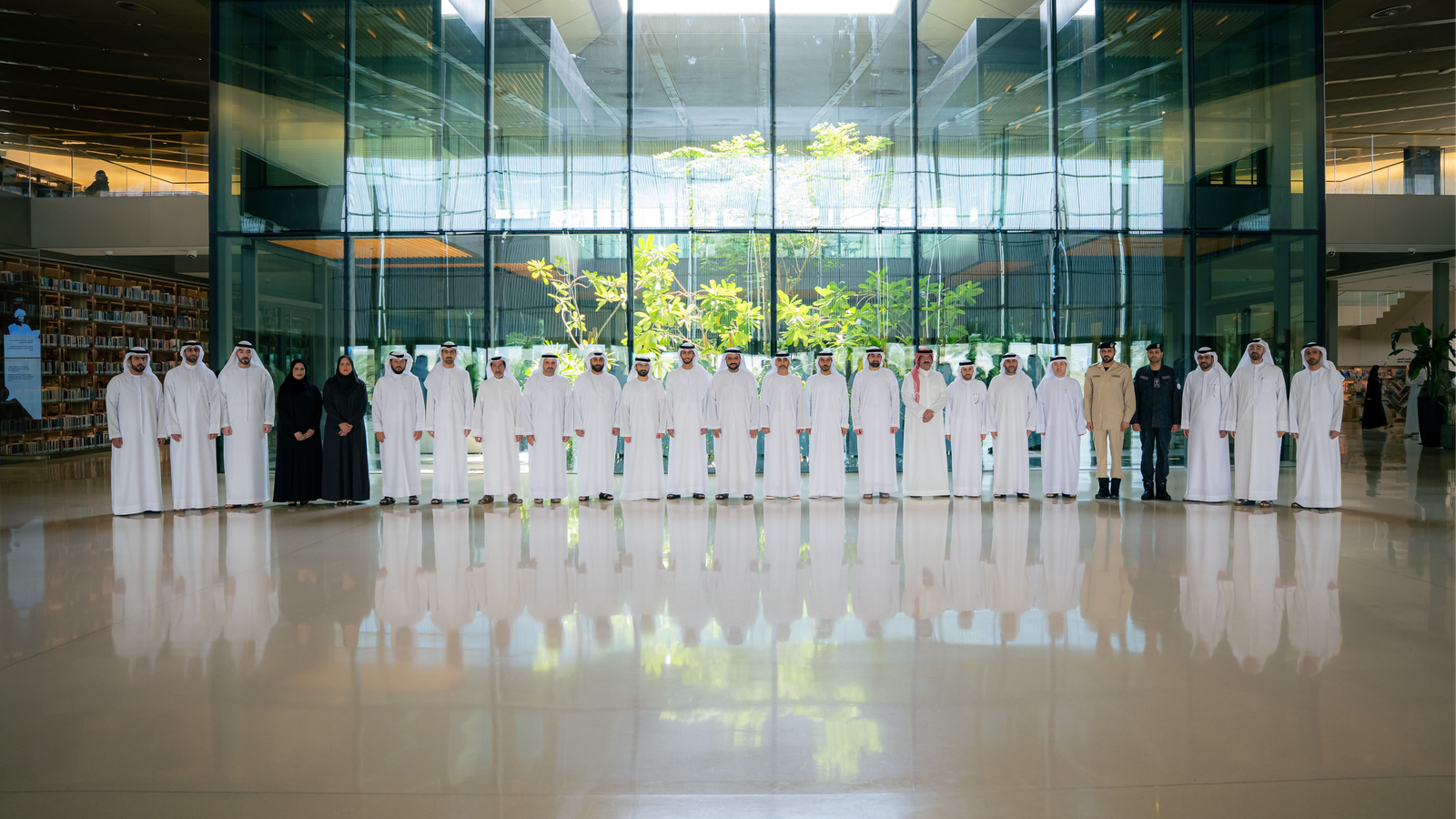
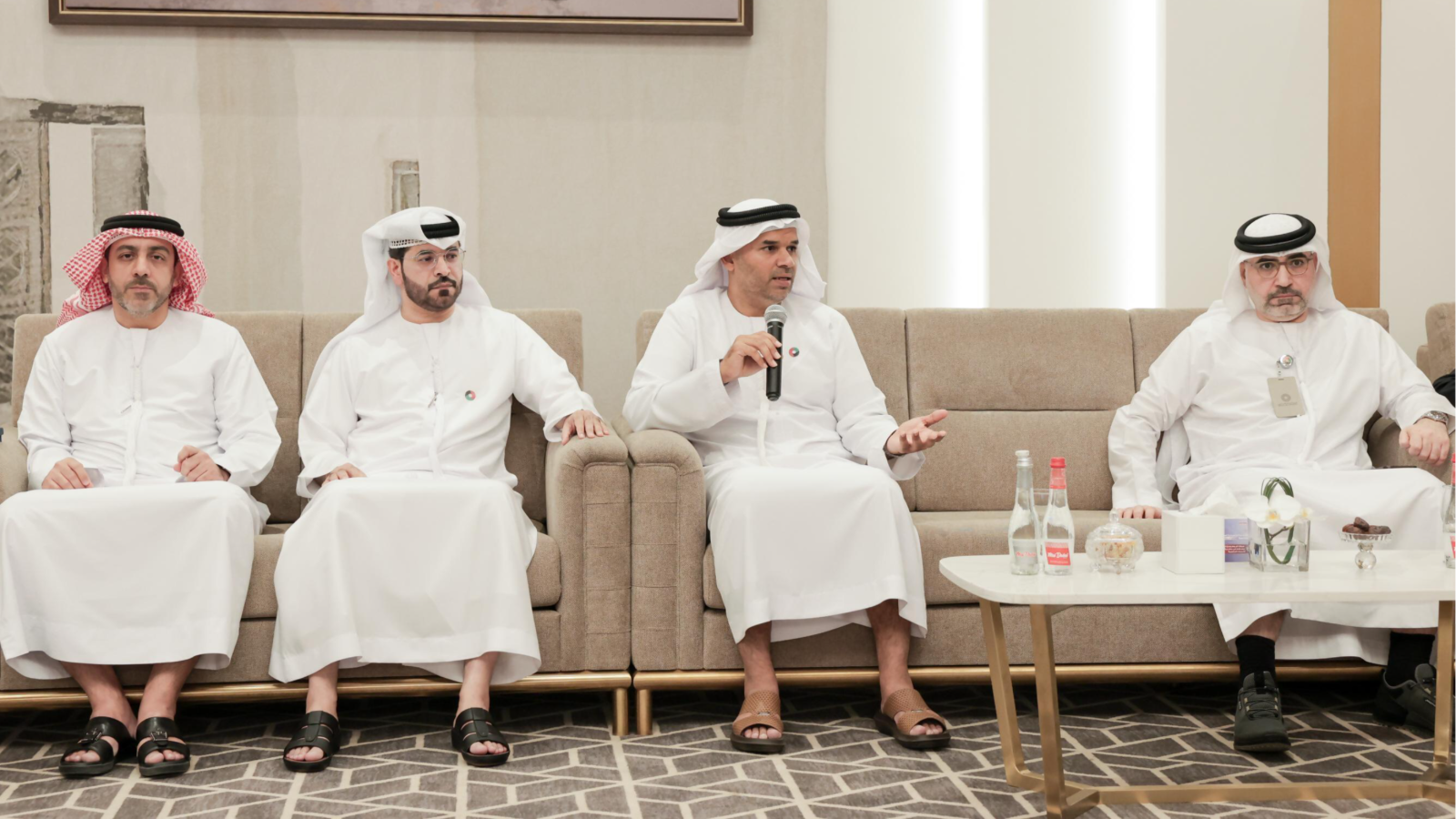
Sharjah Digital Department (SDD) has brought together 24 executive leaders from 21 government entities to strengthen their readiness to adopt artificial intelligence and emerging technologies across government operations.
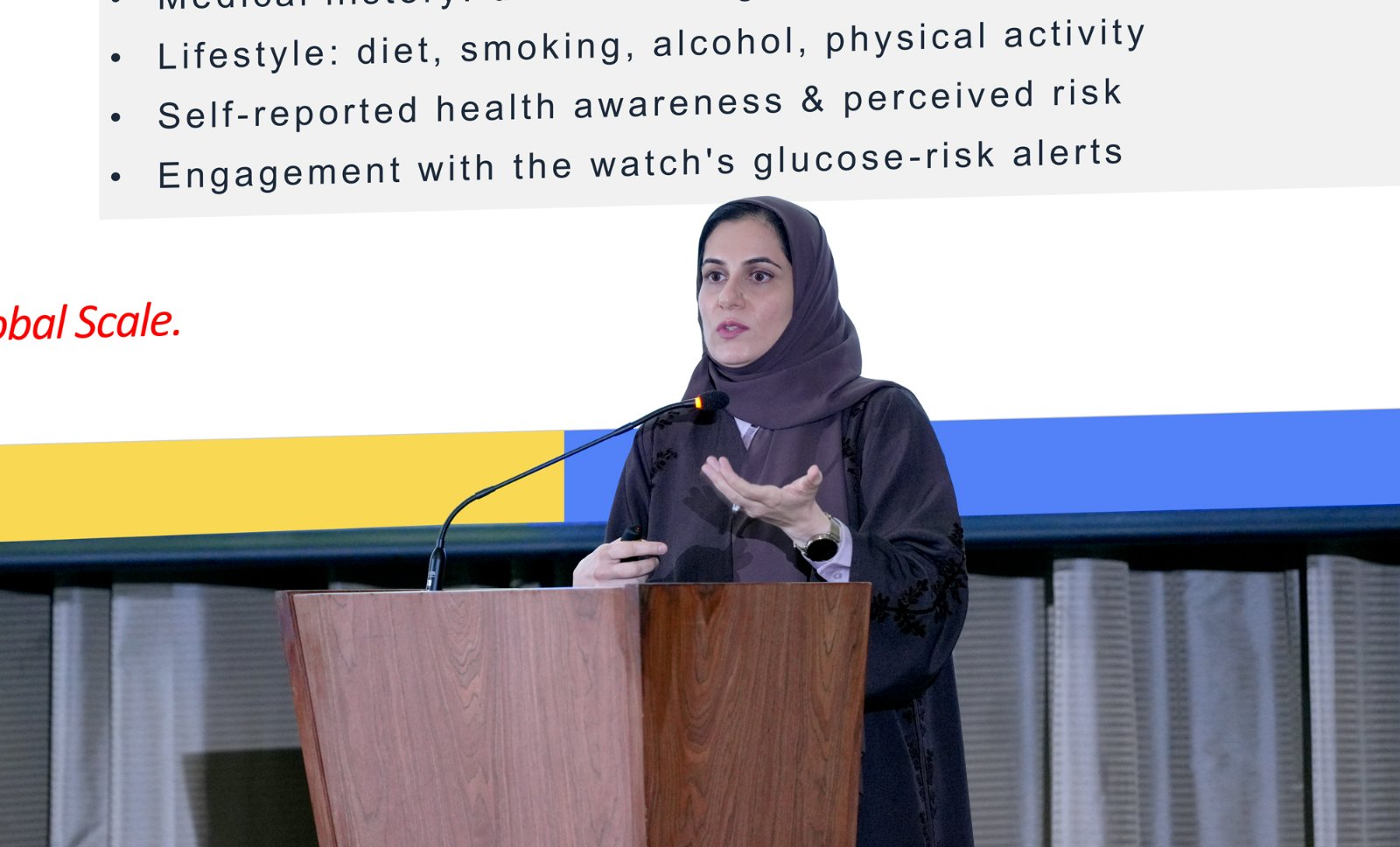
The department organised the “Executive Leadership in the Age of AI: From Strategy to Government Impact” workshop in collaboration with PwC Academy Middle East. The session focused on helping chief executives, directors-general and senior government leaders assess opportunities for AI adoption and align technology initiatives with government priorities and measurable outcomes.
The workshop forms part of SDD’s wider efforts to strengthen leadership capabilities and support data- and AI-driven transformation across the Sharjah Government.
Focus on practical AI adoption
Participants examined how emerging technologies can be applied to address identified government needs and contribute to specific outcomes. The discussions also highlighted the importance of governance, accountability and human oversight when designing and implementing AI-enabled solutions.
H.E. Sheikh Saud bin Sultan Al Qasimi, Director General of SDD, said successful AI adoption should be measured by its ability to address genuine needs and deliver tangible, measurable outcomes within a clear framework of governance and accountability.
He noted that government leaders should begin by identifying the intended outcome and determining which tasks can be delegated to intelligent systems. They must also establish the limits of those systems’ authority and identify where human oversight is required before setting criteria for moving from pilot projects to wider deployment.
“Sharjah has begun building this pathway through an integrated approach. The adoption of the Sharjah Digital Transformation Strategy 2026–2028 marked an important step towards aligning priorities and strengthening government integration,” Sheikh Saud said.
Sharjah AI Assistant Programme
He highlighted the development of the Sharjah AI Assistant Programme, which is being pursued through two parallel tracks.
The first focuses on raising awareness and encouraging early practical adoption of AI, while the second focuses on identifying priority use cases, assessing the readiness of government entities and developing governance frameworks to support responsible and sustainable scaling.
“We are working with government entities to move beyond exploring the potential of artificial intelligence towards identifying opportunities that can deliver genuine value and testing them against clear governance criteria,” he said.
“This approach contributes to improving government performance and enhancing people’s experience. People remain at the heart of the technologies we develop and deploy.”
Governance and accountability remain central
The workshop provided government leaders with a practical framework for evaluating potential AI applications, beginning with clearly defined needs and intended outcomes.
Participants considered how to select suitable technological solutions based on expected value and technical readiness, while also assessing governance requirements before implementation.
The sessions covered key principles for responsible AI deployment, including clearly defined responsibilities, appropriate levels of authority, controls over data access and use, and mechanisms for human oversight.
The approach is intended to support the development of government processes and services while maintaining clear accountability for decisions and outcomes within the relevant government entity.
SDD said the workshop is part of its broader efforts to build sustainable government capabilities and support the responsible and effective adoption of data and artificial intelligence across government operations.