


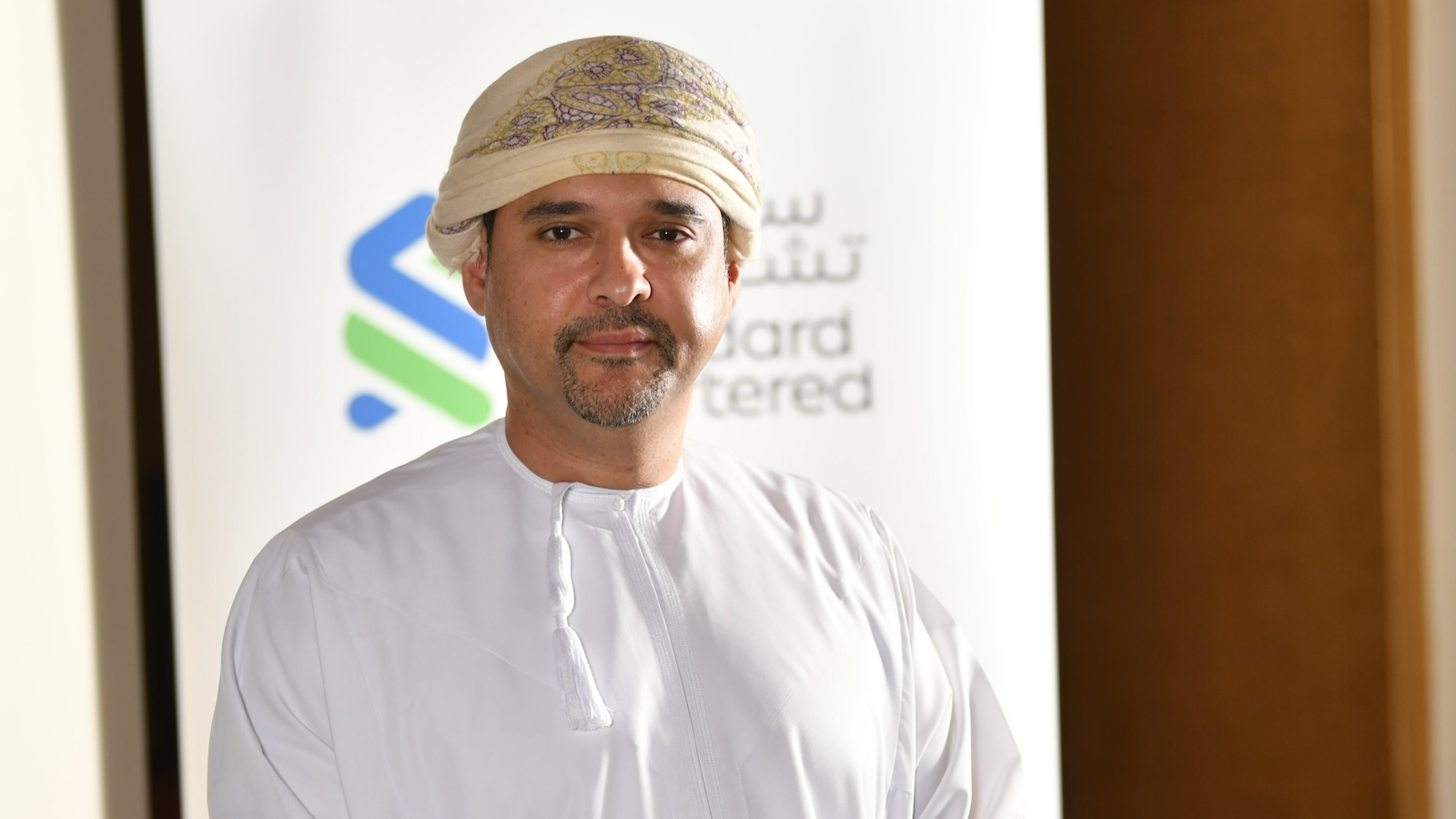
Oman’s economy is expected to grow by 3.5 per cent in both 2026 and 2027, supported by resilient non-oil activity, higher hydrocarbon production and continued investment in sectors linked to the country’s diversification strategy, according to Standard Chartered.
The bank said logistics, manufacturing and public investment under Oman Vision 2040 will remain key drivers of non-oil growth, while improvements in the country’s fiscal and external positions are expected to strengthen the broader economic outlook.
Fiscal and external positions improve
Standard Chartered has raised its forecast for Oman’s fiscal surplus to 4.6 per cent of GDP in 2026 and 3.6 per cent in 2027, compared with previous estimates of 0.5 per cent and 1 per cent respectively.
Public debt is expected to decline to around 33 per cent of GDP by the end of 2026 and 31 per cent by the end of 2027.
The bank also expects Oman’s current-account surplus to reach 5 per cent of GDP in 2026 and 3.4 per cent in 2027, up from its earlier forecasts of 1 per cent and 1.5 per cent.
Hussain Al Yafai, Chief Executive Officer and Head of Coverage at Standard Chartered Oman, said the improvement in non-oil activity and fiscal and external balances provides a stronger foundation for investment in sectors supporting Oman’s diversification.
Logistics and manufacturing expected to gain
Standard Chartered said Oman’s geographic position could become increasingly important as companies reassess regional supply chains and trade routes.
The bank expects investment momentum to strengthen across logistics, manufacturing, re-export activity and energy-related infrastructure, supported by Oman’s ports, industrial zones and transport infrastructure.
The country’s location and trade connectivity are expected to provide opportunities to expand links with regional and international markets while supporting growth outside the hydrocarbon sector.
Al Yafai said Oman’s advantage increasingly lies in both its connectivity and resilience as companies reconsider supply chains and trade routes.
Vision 2040 remains central to diversification
The bank said continued expansion in the non-oil economy, combined with investment in logistics, manufacturing and energy-linked infrastructure, could help Oman maintain economic growth while responding to changes in regional trade and investment flows.
The outlook comes as the Sultanate continues to pursue the objectives of Oman Vision 2040, which places economic diversification, private-sector development and investment in infrastructure among its key priorities.
Standard Chartered said Oman’s improving fiscal position and strategic connectivity could reinforce each other, creating opportunities for further investment and supporting the long-term expansion of the non-oil economy.





Comments
0 commentsNo comments yet. Be the first to share your thoughts!