

Is AI a Bubble or the Next Operating System of Business?


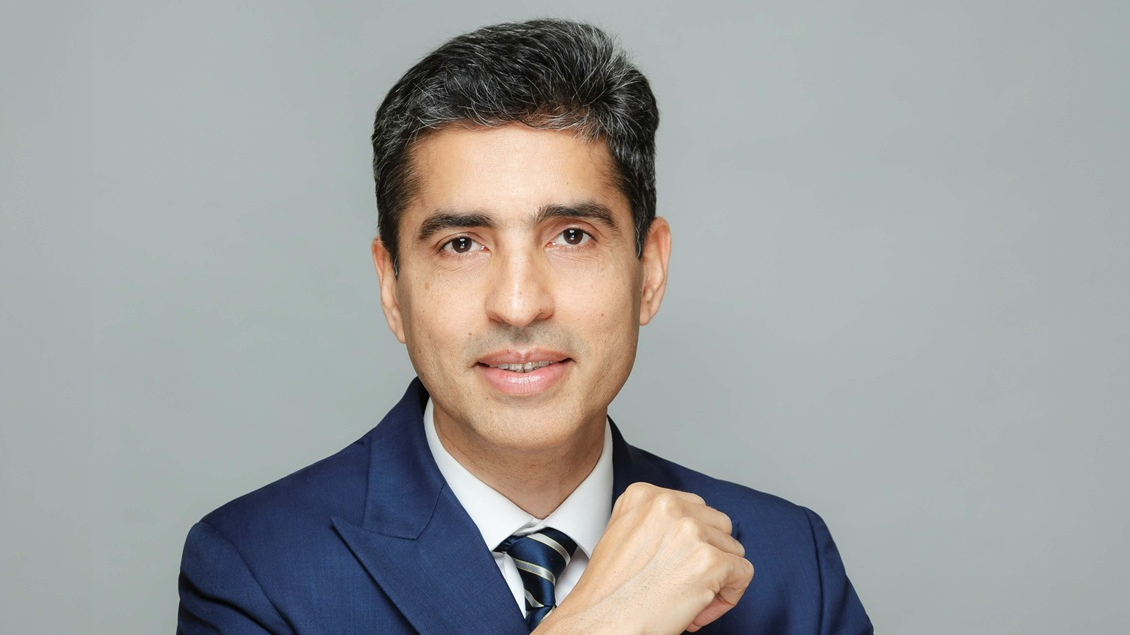
The global debate over artificial intelligence (AI) continues to intensify: is AI a speculative bubble inflated by hype, or the foundation of the next great business revolution? According to Firas Sleem, CEO of Virtue PR & Marketing Communications, AI is neither a passing fad nor a magic wand—it is fast becoming the new operating system for modern enterprises.
AI: Beyond the Hype Cycle
Artificial intelligence has evolved from experimental innovation to mainstream enterprise utility in record time. Its rapid rise has drawn unprecedented levels of investment and attention, echoing the exuberance of previous technological booms. Yet, while some warn of overvaluation and inflated expectations, the evidence suggests AI represents a structural transformation, not a fleeting bubble.
“History reminds us that the dot-com bubble burst, but the internet endured and reshaped the global economy,” notes Sleem. “The same applies to AI—while speculative excesses may correct over time, the underlying technology is real, durable, and already deeply embedded across industries.”
Indeed, forecasts estimate that AI could contribute USD 13–15 trillion to global GDP by 2030, primarily through productivity gains, automation, and smarter decision-making—figures incompatible with the notion of a short-lived hype cycle.
Why the “Bubble” Narrative Persists
The perception that AI is overhyped stems from three main factors: soaring company valuations detached from revenue realities, vague corporate “AI strategies” lacking clear use cases or governance, and exaggerated marketing claims.
“When expectations rise faster than execution, disillusionment follows,” Sleem explains. “This disappointment is often misinterpreted as technological failure, when in fact it reflects poor strategy and insufficient readiness.”
He emphasizes that AI’s success depends not on hype but on discipline, data integrity, and leadership.
The Real Transformation: Organizational, Not Just Technological
Sleem argues that the true revolution lies in how organizations operate and make decisions, not merely in deploying new tools.
“AI is evolving from being a product to becoming an operating layer,” he says. “It’s compressing time, reducing friction, and scaling intelligence across complex systems.”
From communications and marketing to finance and supply chain management, AI is already streamlining operations. It can analyze sentiment, predict demand, and optimize performance in real time. However, Sleem cautions that AI complements rather than replaces human judgment and accountability. “AI is not a substitute for strategy—it’s an amplifier of it,” he adds.
The Workforce Equation: Redefining Jobs, Not Replacing Them
While fears about AI-driven job losses persist, Sleem points out that the more accurate framing is workforce transformation. Studies suggest that up to 40% of the global workforce will need reskilling as AI reshapes roles and expectations.
“The challenge isn’t elimination—it’s adaptation,” he says. “Companies investing in both technology and people will emerge stronger, while those that neglect human capital will face cultural resistance and declining trust.”
In essence, AI success is a leadership decision, not a software decision.
Numbers Indicate Maturity, Not Mania
Global investment in AI is projected to surpass USD 300 billion annually in the coming years, with adoption accelerating across healthcare, retail, manufacturing, financial services, and marketing. Meanwhile, evolving regulations around data governance, ethics, and accountability signal that AI is entering a phase of normalization, not collapse.
“Regulatory oversight is a hallmark of maturity,” Sleem observes. “It shows that AI has become too integral to ignore.”
A Call to Strategic Leadership
For business leaders, the central question is no longer whether to adopt AI, but how strategically to implement it. Rushed deployments without governance or data readiness risk wasted investment, while hesitation can lead to irrelevance.
“The winners will be those who view AI as a long-term capability, not a short-term headline,” Sleem advises. “It starts with clear business problems, measurable outcomes, and ethical foundations.”
He concludes, “AI is not a bubble—it’s a permanent transformation undergoing a natural correction. Some tools will fail, and valuations will reset, but that’s how industries mature. The real risk isn’t hype—it’s confusing experimentation with strategy.”
As Sleem aptly summarizes:
“AI will not replace leadership. But leadership that ignores AI will eventually replace itself.”