

Have you ever considered how the quality of your indoor air can affect your health and comfort at home? It's easy to overlook, but poor ventilation and an abundance of indoor pollutants can lead to a host of health problems, from allergies to serious respiratory issues.
It's not just about keeping your home clean, although that's certainly important. There's a lot more you can do to ensure that you're breathing clean, healthy air at home. One crucial step is ac duct cleaning to improve ventilation and reduce the presence of pollutants.
In addition, you could harness the purifying power of houseplants or invest in high-quality air purifiers. These measures can further enhance your indoor air quality, creating a healthier and more comfortable environment.
In this article, we'll delve into the impact of poor ventilation, discuss steps to reduce indoor air pollutants, emphasize the importance of regular cleaning, and explore how houseplants and air purifiers can help improve your indoor air quality.
Let's make your home not just a place of comfort but also a haven of health.
Understanding the Impact of Poor Ventilation
It's crucial to understand that poor ventilation can drastically affect your home's air quality, potentially leading to various health issues.
Imagine your home as a sealed container. Without adequate ventilation, pollutants can build up over time, creating an unhealthy and uncomfortable environment. These pollutants can range from dust mites and pet dander to volatile organic compounds (VOCs) from cleaning products and building materials.
The consequences of poor ventilation aren't just limited to physical discomfort. They can have a significant impact on your health. Long-term exposure to indoor pollutants can lead to respiratory diseases, allergies, and other health issues.
For instance, dust mites and pet dander can trigger asthma attacks, while exposure to VOCs can cause headaches, dizziness, and even damage to your liver and kidneys.
Remember, your home should be a sanctuary, not a source of health problems. To ensure this, it's essential to maintain good indoor air quality. This means paying close attention to your home's ventilation system and regularly checking and cleaning it to prevent the buildup of pollutants.
Next, let's consider some practical measures you can take to reduce indoor air pollutants and further enhance your living environment.
Steps to Reduce Indoor Air Pollutants
You've got the power to transform your living space into a fresh, pollutant-free zone by taking a few simple steps. Start by identifying the main sources of indoor air pollutants in your home. These could range from tobacco smoke and volatile organic compounds (VOCs) from household products to biological contaminants like mold and dust mites.
To combat these and reduce indoor air pollution, consider these strategies:
- Improve Ventilation:
- Open windows and doors whenever possible to let fresh air in.
- Use exhaust fans in your kitchen and bathroom to remove pollutants directly.
- Avoid smoking indoors.
- Choose household products with low VOCs, such as paint and cleaning supplies.
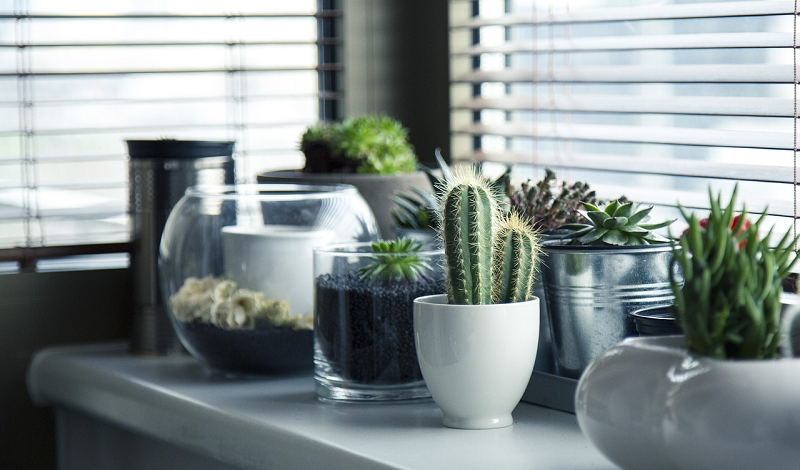
In addition, houseplants can be a great help in cleaning the air. Plants like spider plant, English ivy, and peace lily are known to absorb harmful toxins. However, remember that they alone can't do the job and should be part of a larger air quality improvement plan.
Regular maintenance of your home, including dusting and vacuuming, can also significantly reduce the level of pollutants.
You're now ready to explore the importance of keeping your space clean to maintain good indoor air quality.
Importance of Regular Cleaning
Maintaining a regular cleaning schedule isn't just about appearances; it's also crucial for keeping those invisible air pollutants at bay.
Dirt, dust, and allergens can collect on your floors, furniture, and other surfaces, significantly affecting your home's air quality. Proper cleaning can eliminate these pollutants, creating a healthier and more comfortable living environment.
Vacuuming floors and upholstery at least once a week can remove dust mites and allergens, and using a vacuum with a high-efficiency particulate air (HEPA) filter can further enhance the process. Regularly washing bedding and curtains also helps minimize allergen buildup.
Don't overlook those hard-to-reach areas, like the tops of bookshelves, under furniture, or along baseboards, where dust tends to accumulate. Cleaning isn't restricted to the interior either. Keeping windows and doors clean and free from dust and mold can prevent these pollutants from entering your home.
And don't forget to regularly replace or clean your HVAC filters, as they play a significant role in maintaining your indoor air quality. Improving your home's air quality isn't limited to cleaning and maintenance alone, though. There are natural ways to enhance it further.
Let's delve into the benefits of harnessing the power of houseplants next.
Harnessing the Power of Houseplants
Harnessing the power of houseplants isn't just about adding a touch of greenery to your living space; they also serve as natural purifiers that can significantly contribute to a cleaner and more refreshing atmosphere in your home.
Plants like English ivy, spider plants, and snake plants not only make your home look more appealing, but they also eliminate harmful toxins such as benzene, formaldehyde, and trichloroethylene from the air. These houseplants are known to absorb these airborne chemicals through their leaves, roots, and soil, thereby naturally purifying the air.
It's also worth noting that plants improve air quality by releasing oxygen and absorbing carbon dioxide during photosynthesis. So, by incorporating houseplants, you're essentially creating your own little ecosystem that works tirelessly to keep your household air clean and healthy.
However, while houseplants can significantly improve your indoor air quality, they alone may not be enough to combat all the air pollutants that could be lurking in your home. Therefore, it's crucial to consider other air-cleaning strategies as well.
As a complementary approach to your houseplant arsenal, investing in high-quality air purifiers could be an effective strategy to ensure a healthy and comfortable living environment.
Investing in High-Quality Air Purifiers
Investing in top-notch air purifiers can indeed be a game-changer, complementing your verdant, toxin-absorbing houseplants for an even cleaner living space. They function by trapping and neutralizing harmful particles, allergens, and pollutants that are invisible to the naked eye but can severely impact your health.
To get the most out of your investment, consider these three crucial factors:
- Filter Type: The most effective air purifiers typically use High Efficiency Particulate Air (HEPA) filters. They can trap 99.97% of particles that are 0.3 microns or larger, which is great for minimizing allergens and dust particles.
- Room Size: Make sure the air purifier you choose is adequate for the size of the room where you plan to use it. Most models specify the square footage they can efficiently purify.
- Noise Level: Especially if you plan on running your air purifier in a bedroom or study, check the noise level to ensure it won't disturb your peace.
Beyond the simple pleasure of breathing cleaner air, purifiers can help alleviate allergy symptoms, reduce asthma triggers, and even contribute to better sleep. So, isn't it time to consider investing in a high-quality air purifier? It's more than just a purchase; it's a step towards a healthier and more comfortable home.
Conclusion
You've got the power to enhance your home's air quality. By boosting ventilation, reducing pollutants, cleaning regularly, adding houseplants, and investing in air purifiers, you're not just making your home more comfortable but also healthier.
Don't underestimate the benefits of these steps. Your wellbeing is worth it!














Comments
0 commentsNo comments yet. Be the first to share your thoughts!