

How to Plan a Corporate Shoot in Dubai (Without It Feeling Like One)

A few years ago I was booked for a shoot at a company's DIFC office, and the marketing manager met me at the lobby with a printed schedule broken into five-minute blocks. Headshots, team photo, "candid" walking shots, a shot of the CEO at his desk looking thoughtful. By 10am half the team was tense, the light through the floor-to-ceiling windows had gone flat and blown out, and everyone's forehead was shining under the office fluorescents. We salvaged it, but it taught me something I now say at the start of every job: a corporate shoot goes wrong the same way a bad meeting does too rigid an agenda, and nobody left room for the room itself.
Dubai is genuinely one of the best cities in the world to shoot corporate work in, but it comes with its own quirks, and most of the stress I see clients carry into a shoot day is avoidable with a bit of planning.
Start with the light, not the calendar
Everyone books a shoot around when the CEO is free, which makes sense, but Dubai light punishes that approach. Midday sun bouncing off glass towers is unforgiving it flattens faces and turns skin tones orange under artificial mixed lighting. If you have any flexibility at all, mornings before 10 or the couple of hours before sunset give you softer, more flattering light both indoors near windows and outdoors on terraces or rooftops. If the only slot that works is midday, that's fine too, it just means leaning more on the interior spaces away from direct glass, or scheduling any outdoor shots for last.
Location tells a story before you've said a word
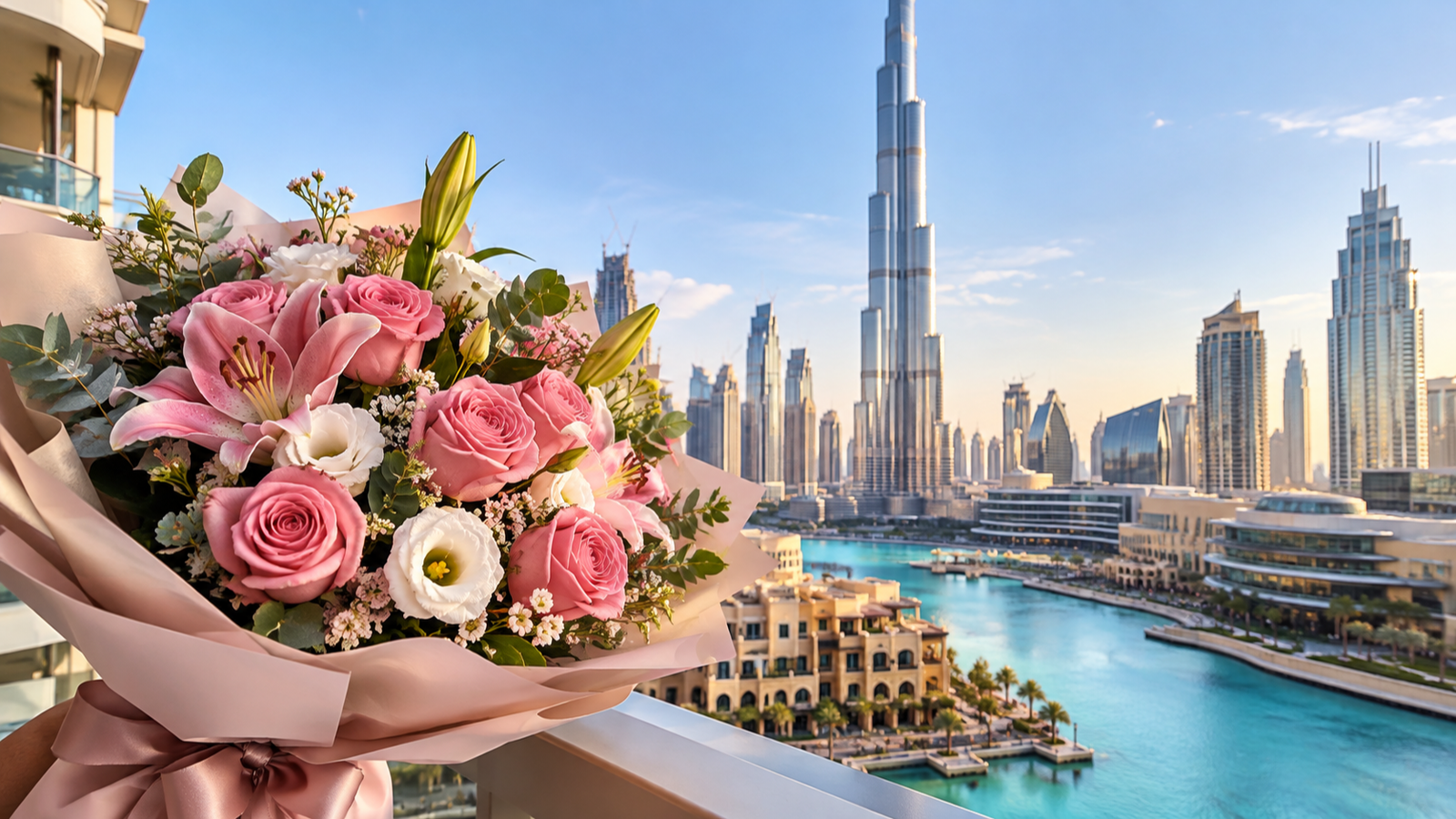
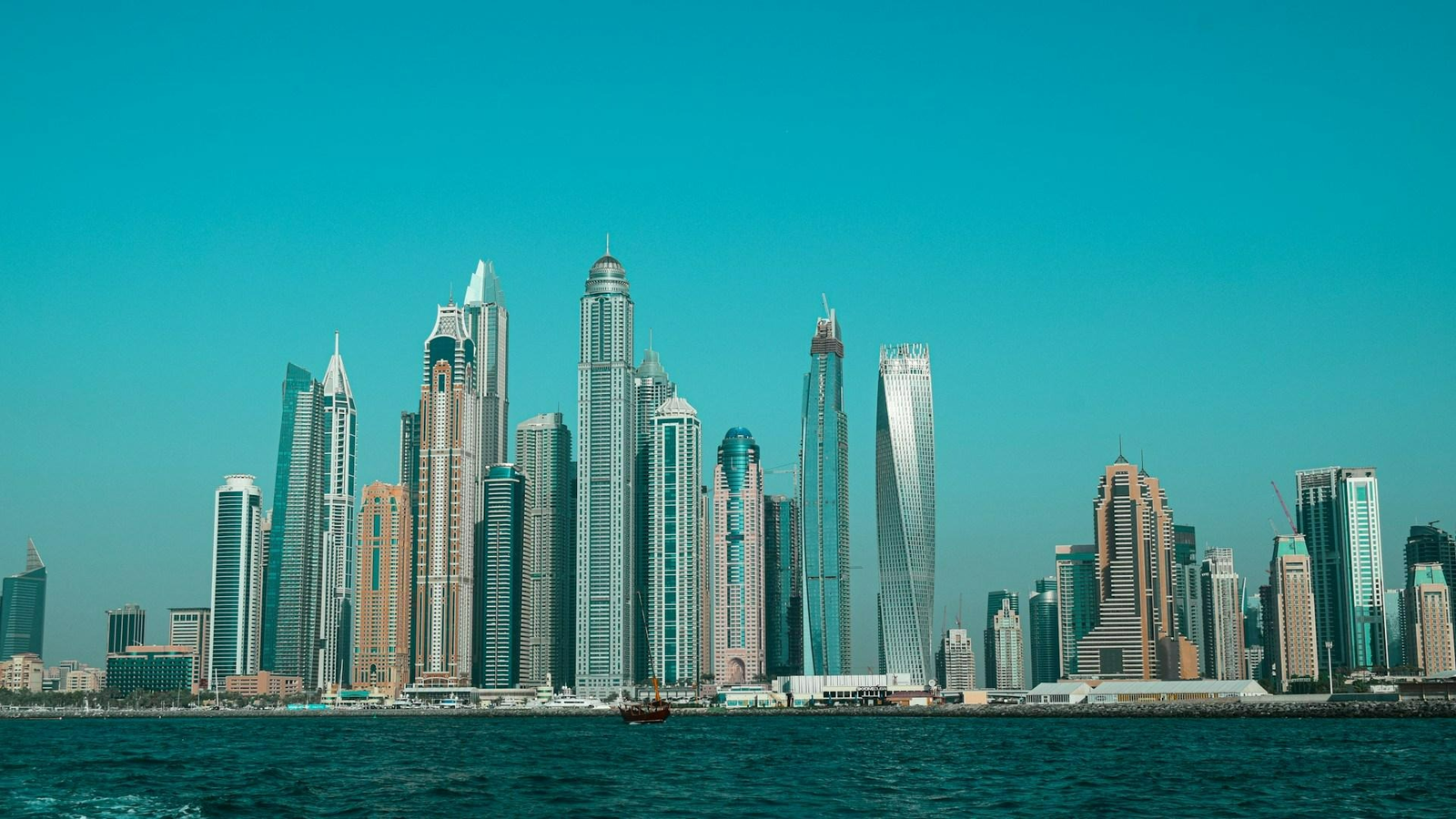
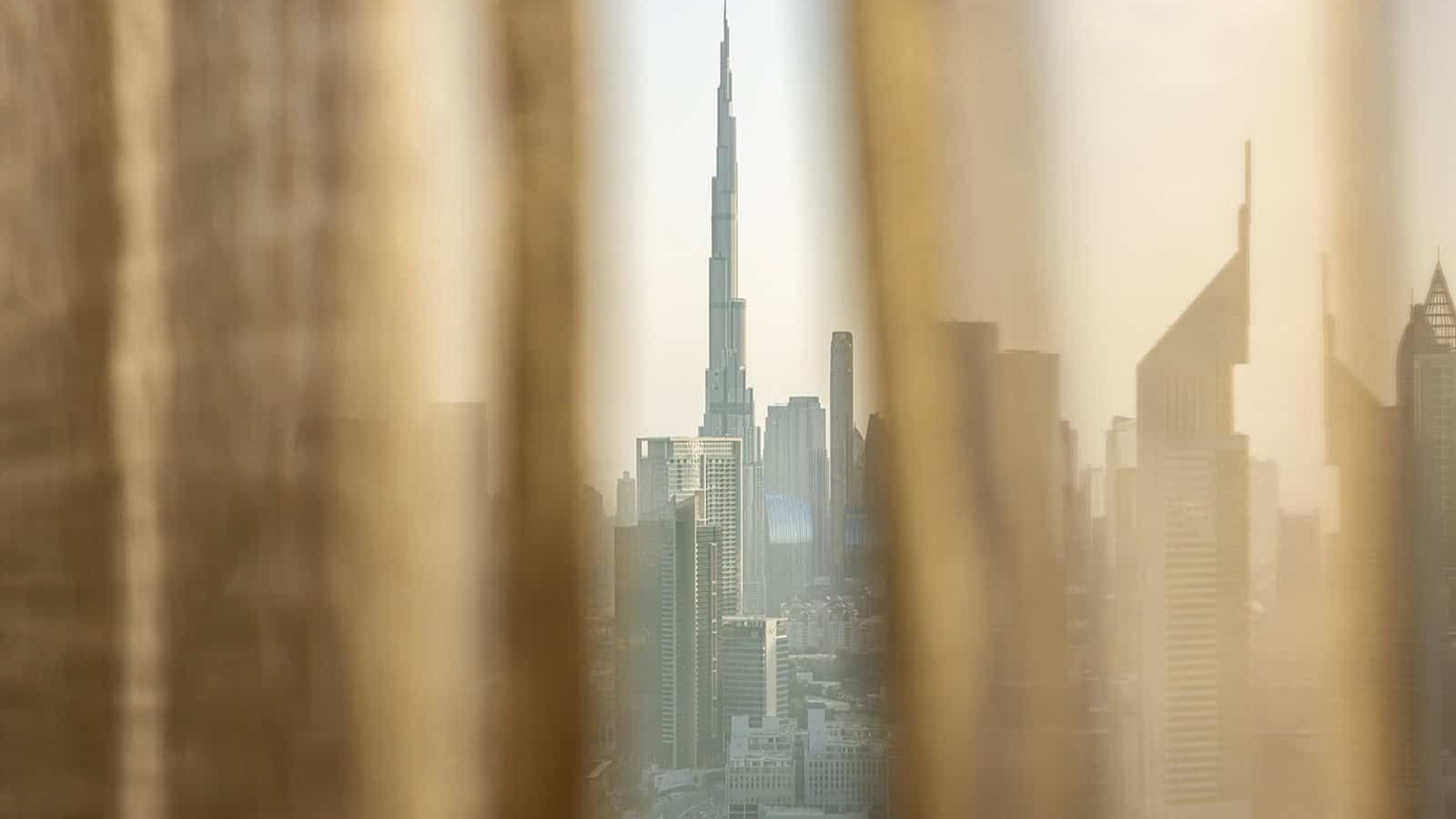
A generic boardroom photo says nothing about a company. Some of the strongest corporate portraits I've shot in this city use Dubai itself as a supporting character a skyline visible through the window, a shot on a terrace with Downtown or the Marina in the background, or even the lobby of the building if the architecture has any character. If your brand guidelines allow it, ask your photographer to scout the building for two or three spots beyond the obvious meeting room. It costs nothing and it's usually the difference between photos that look like every other LinkedIn headshot and ones people actually screenshot.
Build in real buffer time
The schedule that broke down in my story above wasn't wrong to be organized, it just had zero slack. Executives run late, elevators are slow in a 50-storey tower, someone always needs two minutes to find their blazer. I tell every client to plan for roughly 20% more time than the shoot itself should logically need. It's cheap insurance against the whole day cascading into rushed, tense photos.
Hair and makeup matters more here than people expect
This one surprises a lot of clients. Between the heat outside, the air conditioning inside, and cameras that pick up every bit of shine or fatigue, a touch-up before camera time makes a bigger difference in Dubai than it would in a milder climate. It doesn't need to be dramatic for most executive portraits it's a light matte finish and some attention to flyaway hair, done in ten minutes per person. I usually recommend clients bring in a dedicated makeup artist dubai teams already trust for events, rather than leaving it to whoever has powder in their bag. It's a small line item that saves a huge amount of retouching time afterward, and it shows in how relaxed people look on camera.
Brief your photographer like a colleague, not a vendor
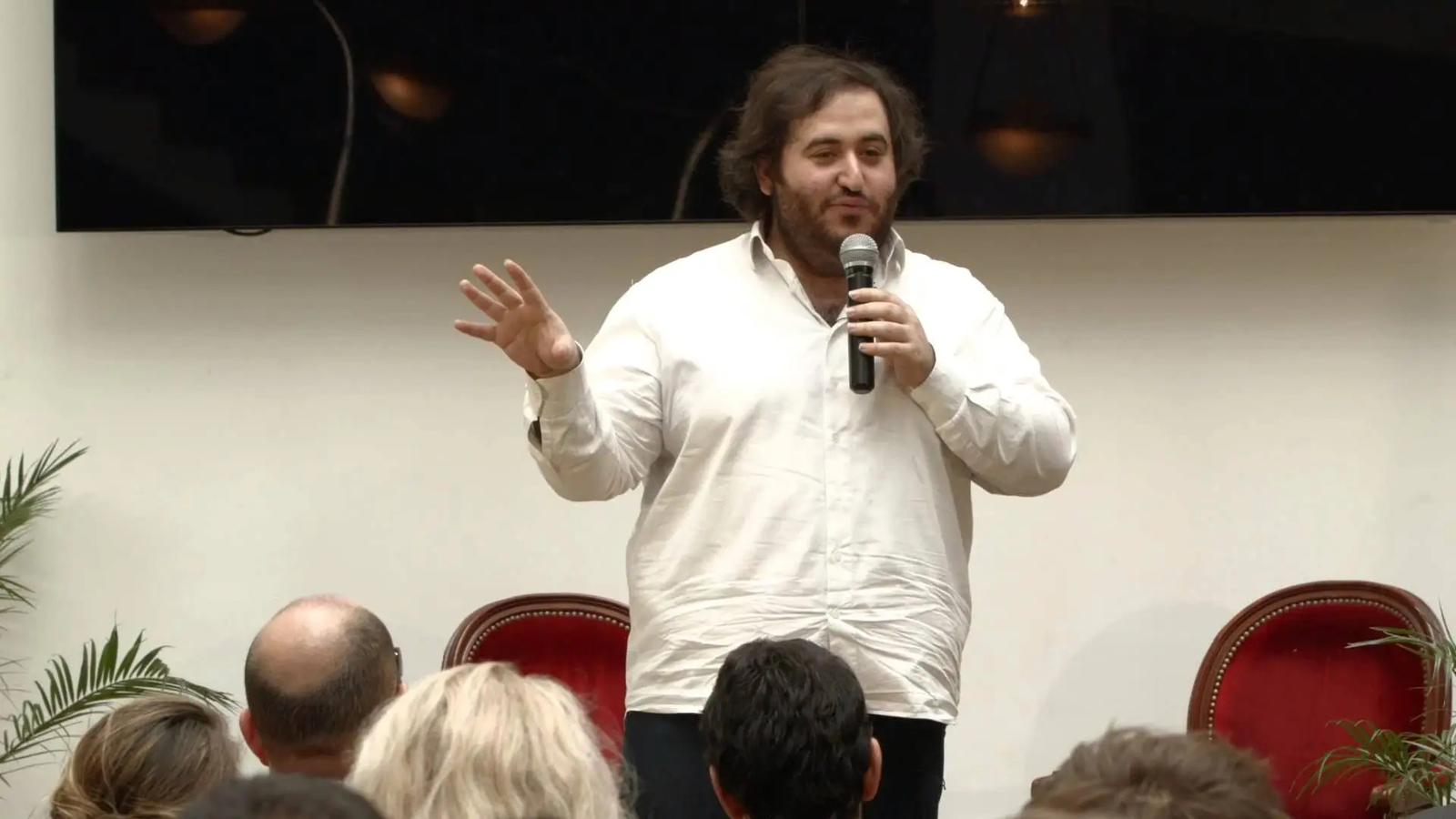
The best results I've gotten on corporate jobs have come from clients who shared the actual context where the images are going (annual report, LinkedIn, a press release, an internal newsletter), what the brand guidelines restrict, and who on the team is nervous in front of a camera and needs a bit more warm-up. A corporate photographer dubai companies work with regularly should be asking these questions before the shoot, not figuring it out on the day. If they're not asking, ask them yourself.
None of this is complicated, and none of it requires a bigger budget than a standard shoot. It just means treating the shoot day the way you'd treat any other work event in this city plan for the heat, plan for the light, build in a bit of breathing room, and trust the people you've brought in to do their part. The photos end up looking like the company actually enjoys being photographed, which, more often than people expect, is exactly what a corporate shoot is supposed to communicate in the first place.